Acne
Acne is one of the most common skin conditions and can affect people of any age. With the right assessment and a considered treatment plan, persistent and recurring breakouts can be brought under control.
Acne care tailored to you
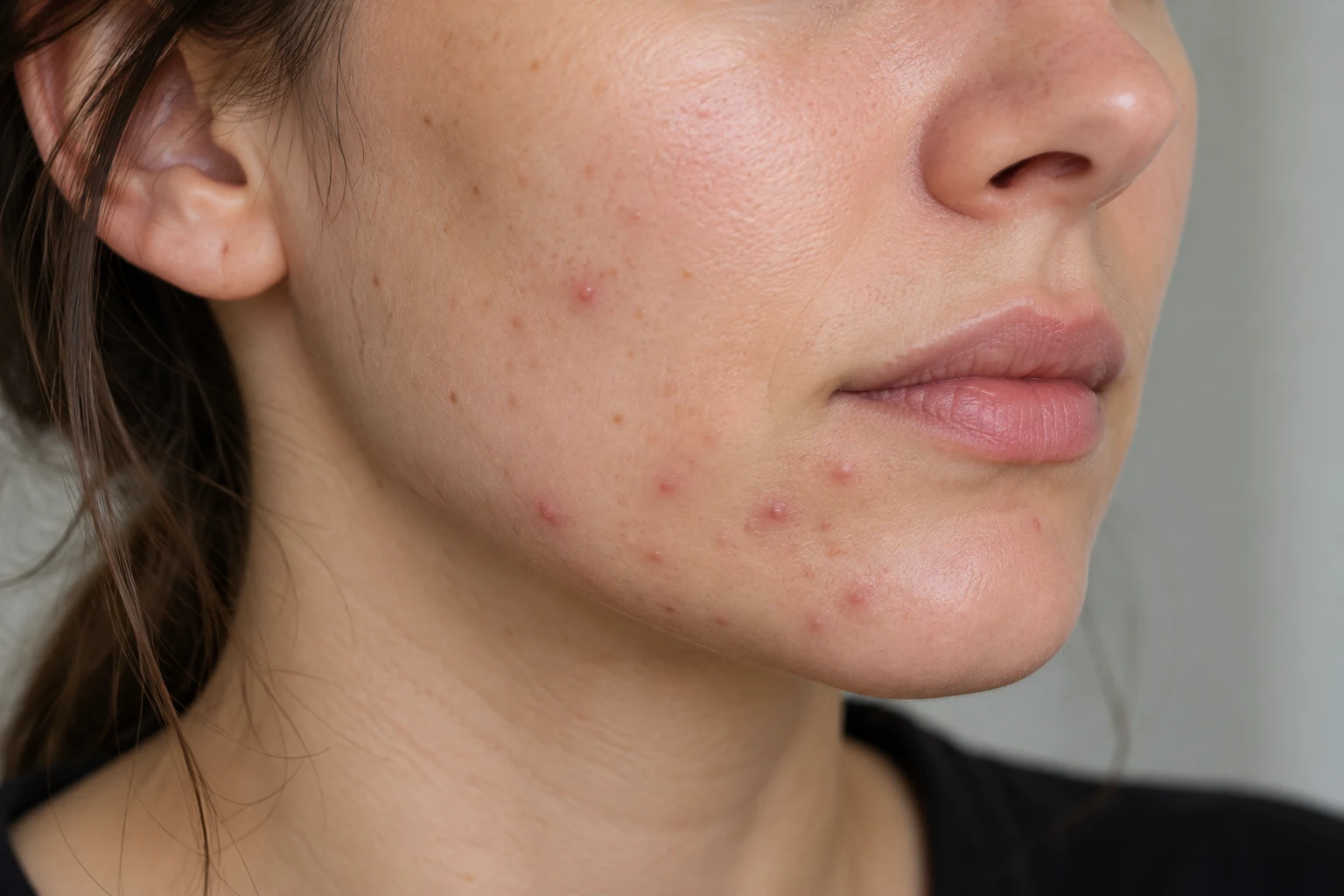
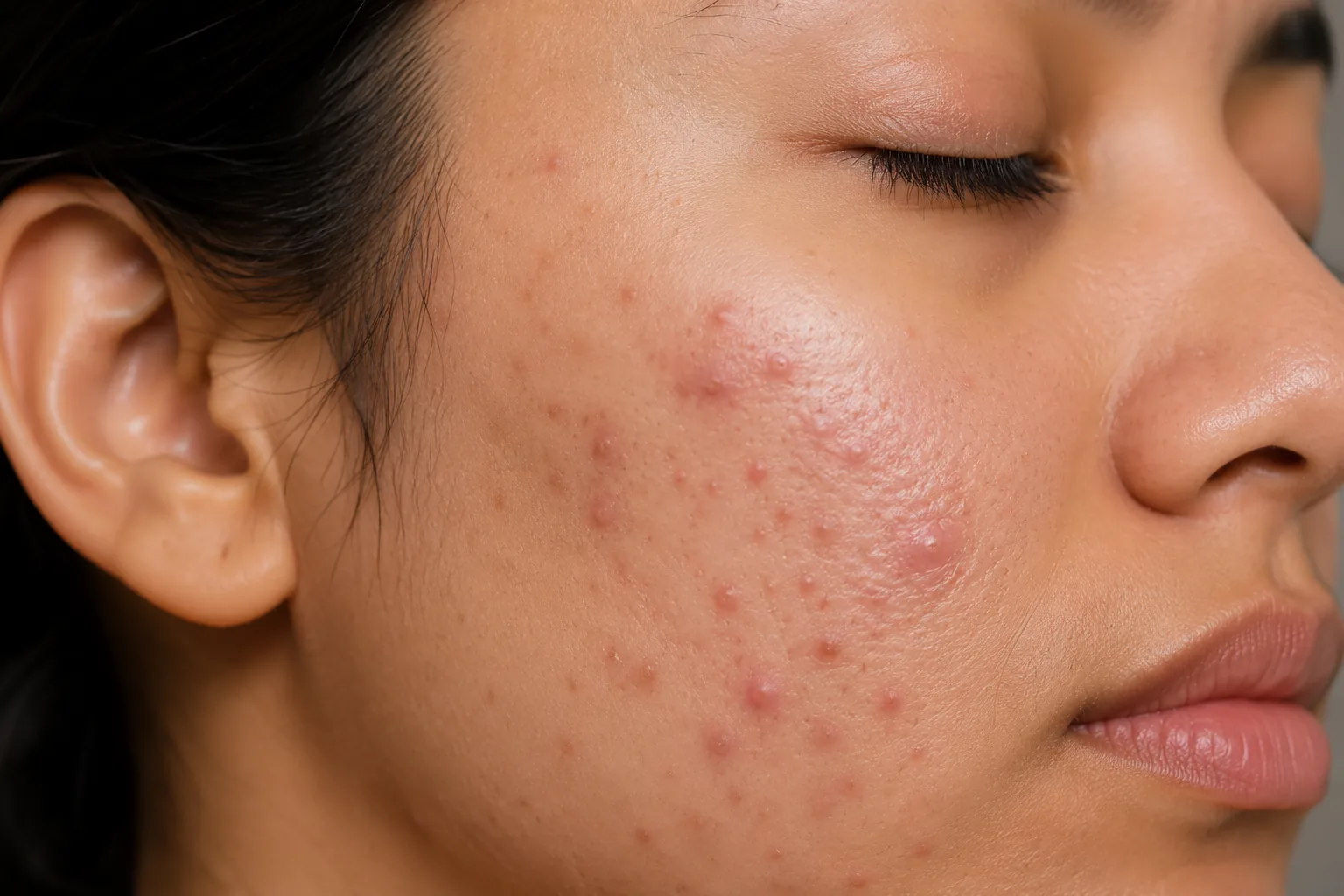
Dr Emma sees patients with acne of all severities, from mild or occasional breakouts through to persistent inflammatory, nodular or scarring acne. Acne may begin during the teenage years or appear for the first time in adulthood, and she also regularly treats women with adult and hormonally influenced acne.
You do not need to have severe acne or to have exhausted over the counter treatments before seeing a dermatologist. Even relatively mild acne can be persistent, affect confidence or leave troublesome marks, and treatment can be tailored according to how much your acne is affecting you.
Read our guide to adult acne and prescription treatments, including isotretinoin.
What to expect from your consultation
Your history
I’ll ask about your acne, when it started, how it has changed over time and any treatments or skincare you have already tried. We can also discuss factors such as your menstrual cycle, medications and how your acne is affecting you.
Clinical assessment
I’ll assess the type and severity of your acne, your skin type and whether there is any associated pigmentation, marks or scarring.
Your treatment plan
We’ll discuss the treatment options that are most appropriate for your skin and agree a personalised plan. This may include prescription topical treatment, oral medication or hormonal treatment where appropriate.
Reviewing your progress
We’ll review how your skin is responding and adjust your personalised treatment plan over time as your acne improves and your needs change.
Treatment options for Acne
Every case is different, but here's an overview of what treatment might look like:
Topical treatments
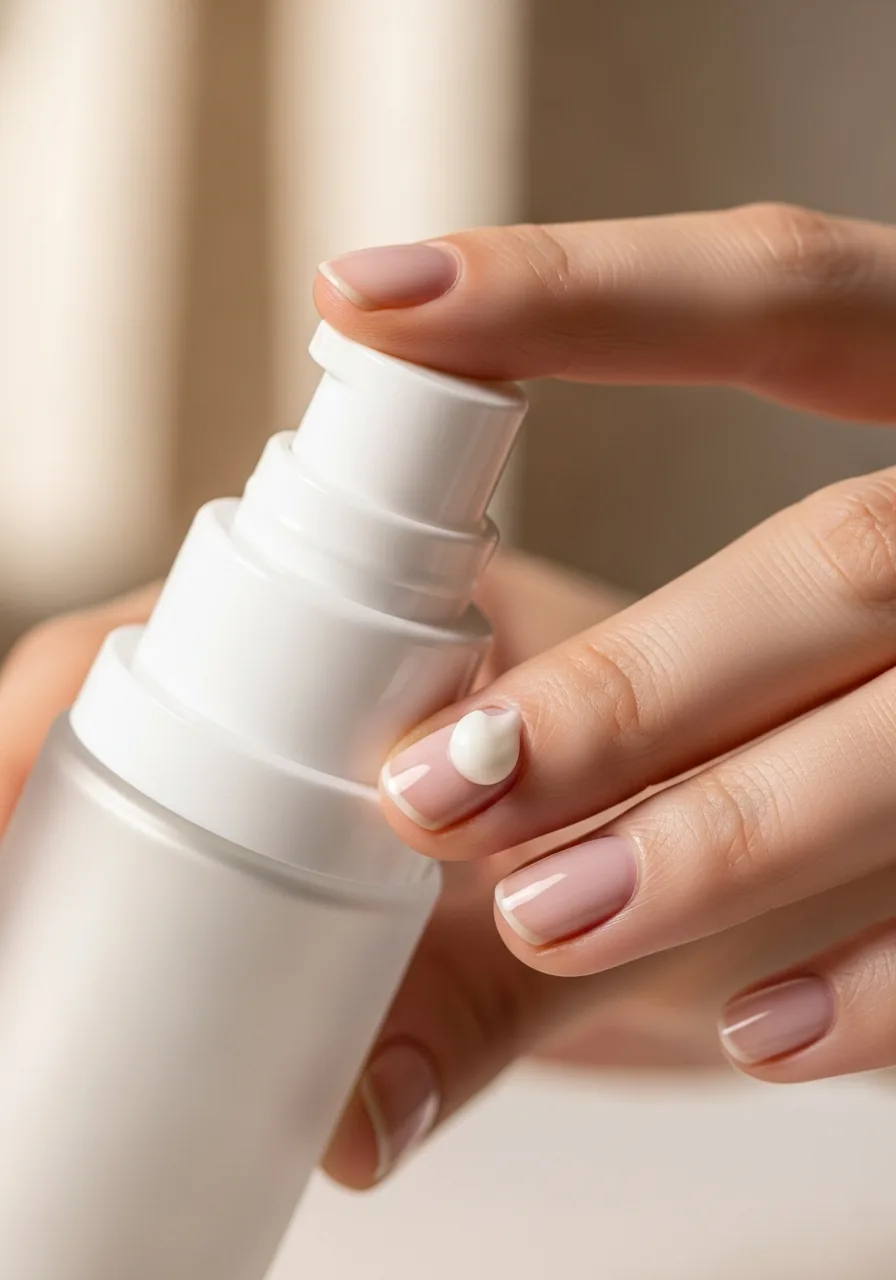
Prescription creams and gels can be used alone or alongside other treatments. Dr Emma has extensive experience in the development and use of individually compounded topical treatments, allowing treatment to be tailored to the individual where appropriate.
Oral treatments
For more persistent or inflammatory acne, oral treatment may be recommended. Options include oral antibiotics and isotretinoin, depending on the type and severity of your acne and treatments you have previously tried.

Hormonal treatments
For some women with adult or hormonally influenced acne, hormonal treatment such as spironolactone may be appropriate. This can be discussed as part of your consultation alongside other treatment options.
Pigmentation & marks
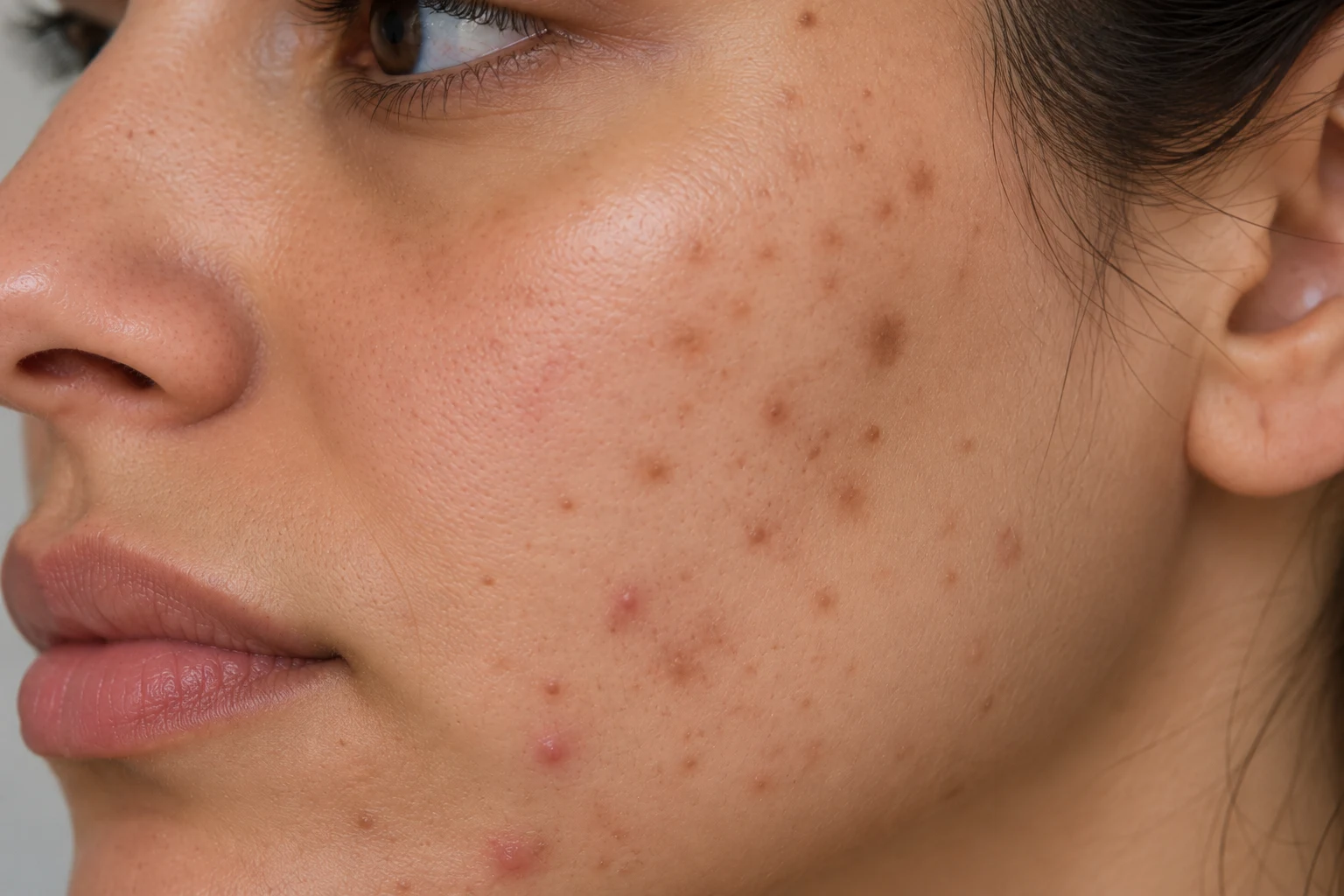
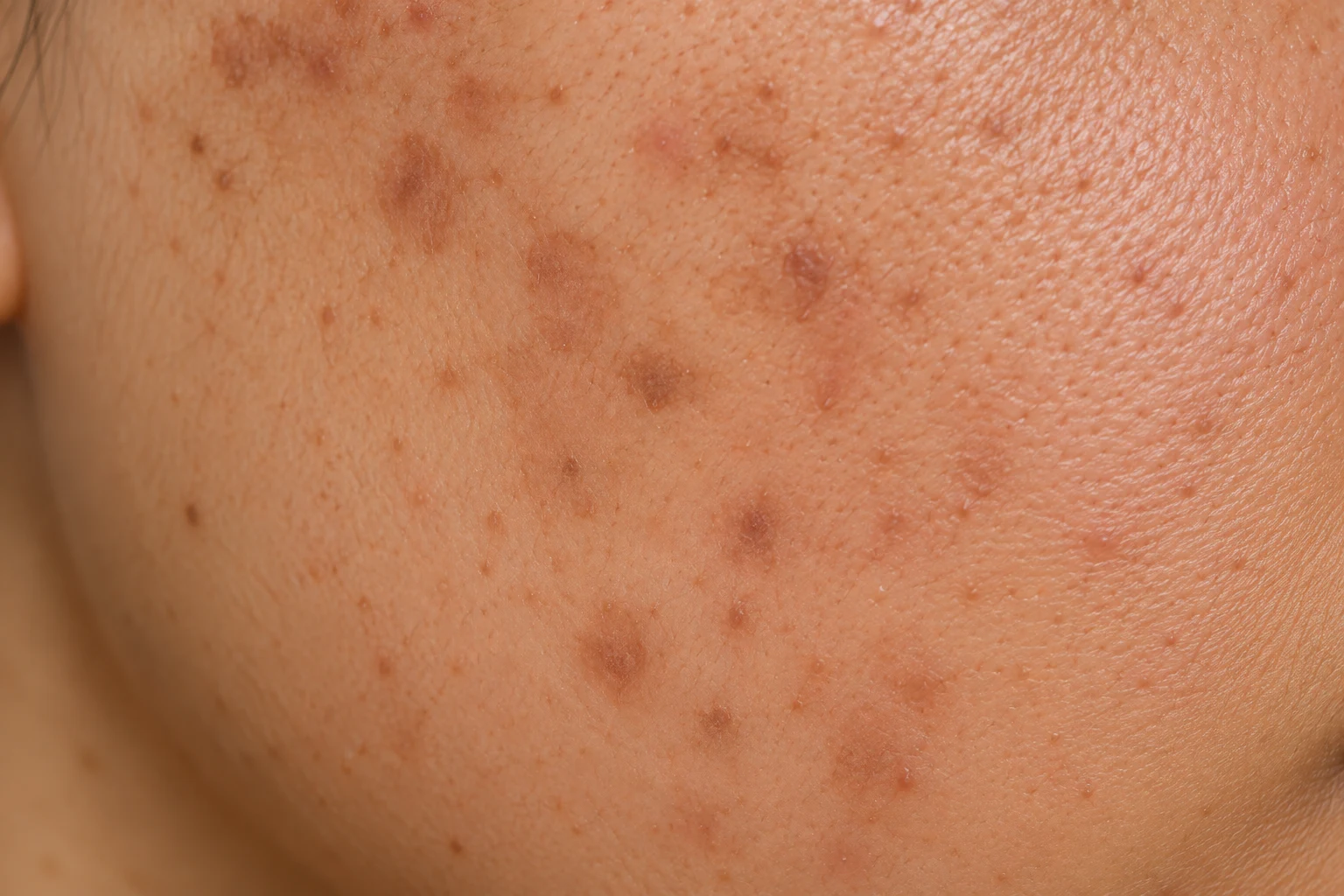
Acne can leave persistent red or dark marks even after the active spots have settled. Where appropriate, treatment can also address post-inflammatory pigmentation and other skin concerns alongside controlling the acne itself.
More than treating the breakout
Acne treatment does not always need to focus on spots alone. Dr Emma has extensive experience in prescription skincare and personalised topical formulations. For adults with acne, treatment can also take account of concerns such as post-inflammatory pigmentation, uneven skin tone, texture and signs of ageing where clinically appropriate.
Treatment can be reviewed and adjusted over time as the acne improves and the priorities for your skin change.