Dark Marks After Acne: Understanding Post Inflammatory Hyperpigmentation and How to Treat It
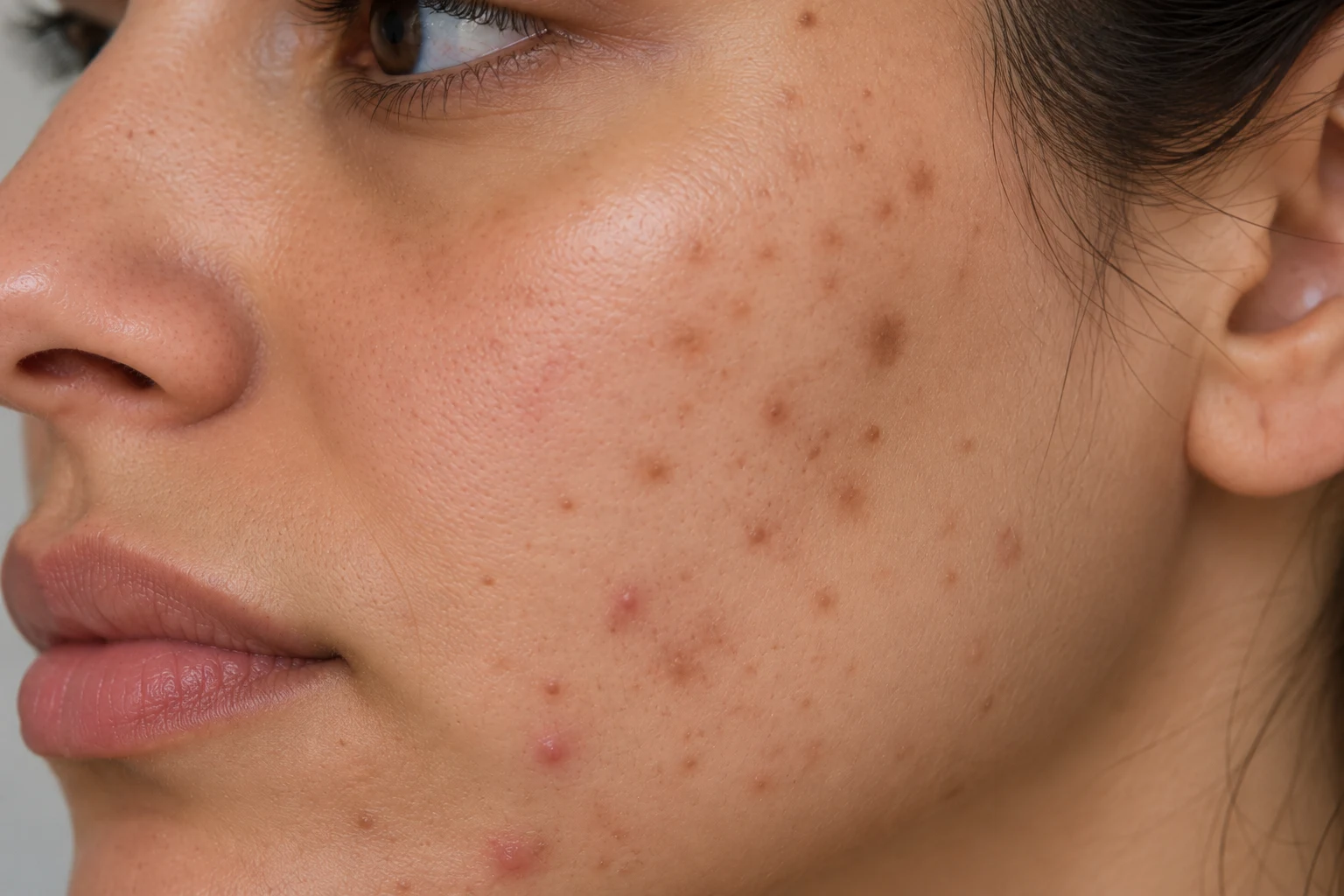
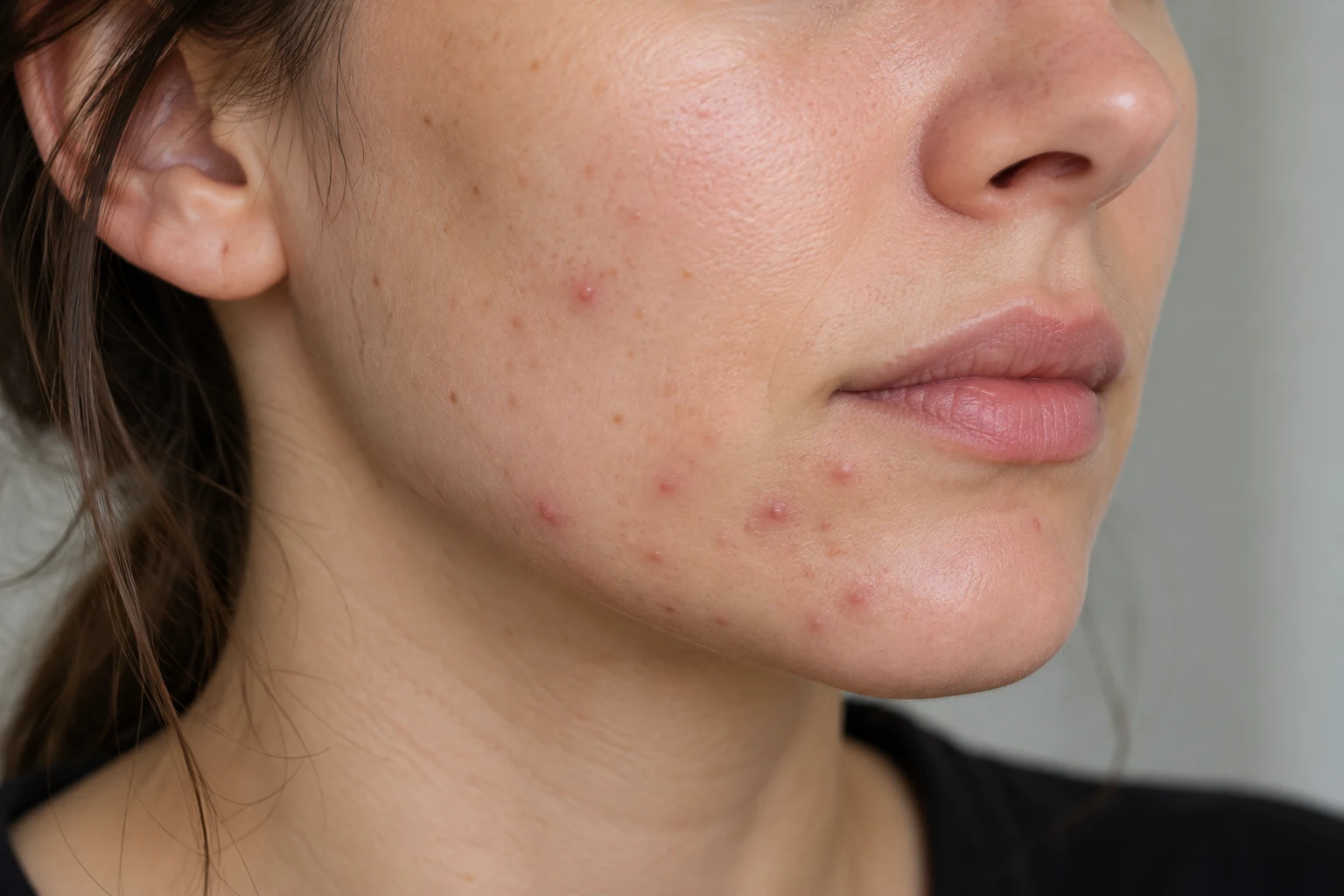
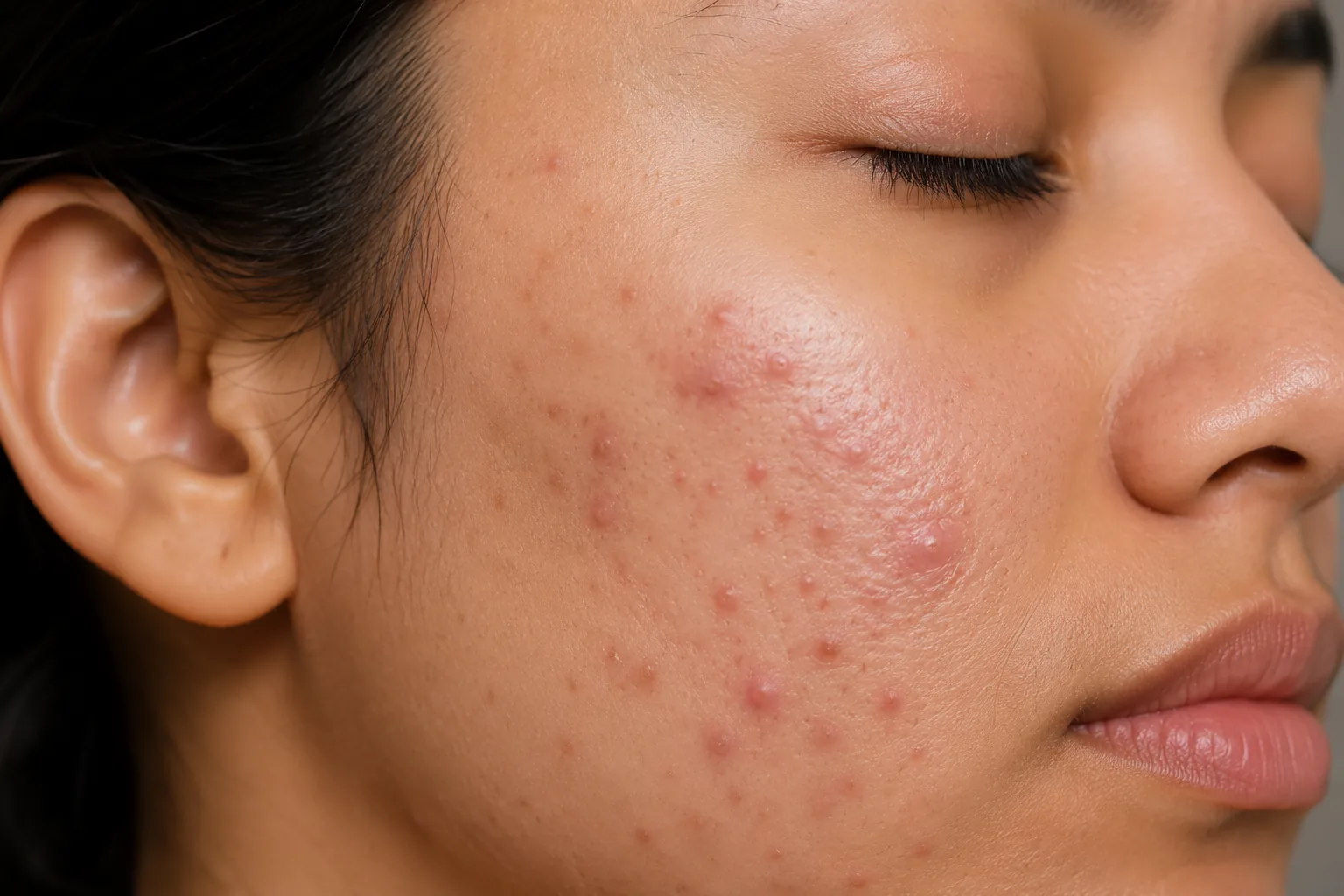
Acne doesn't always disappear when the spots settle. For many people, the most frustrating part is the brown or darker marks left behind, which can remain visible for months after the original blemishes have healed.
These marks are known as post inflammatory hyperpigmentation, often shortened to PIH.
Although PIH is particularly common following acne, it can also develop after eczema, insect bites, burns or other forms of skin inflammation.
The reassuring news is that these marks are not usually permanent scars. Many gradually fade naturally, and there are several treatments that can help speed up the process, including prescription retinoids, azelaic acid, hydroquinone and newer pigmentation serums.
Why does acne leave dark marks?
Post inflammatory hyperpigmentation occurs when inflammation in the skin stimulates pigment producing cells, known as melanocytes, to produce additional melanin.
When an inflamed acne spot heals, some of this excess pigment remains behind, leaving a flat brown, dark brown or occasionally greyish mark.
The more inflamed a spot has been, the greater the chance of pigmentation developing.
However, even relatively mild acne can leave noticeable marks, particularly in people whose skin is naturally more prone to pigmentation.
PIH can affect all skin types but is particularly common and often more persistent in medium and darker skin tones.
Sun exposure can also make the marks darker and prolong the time they take to fade.
Are dark acne marks the same as acne scars?
No, and this is an important distinction.
Post inflammatory hyperpigmentation produces a change in skin colour, but the skin surface remains flat.
True acne scarring involves a change in skin texture, such as indentations, pits or raised scars.
Some patients have both pigmentation and scarring, but the treatments are different.
You may also notice red or pink marks after acne. These are often caused by persistent changes in small blood vessels rather than excess pigment and are known as post inflammatory erythema.
This is particularly common in fairer skin types.
Treatments that reduce brown pigmentation do not necessarily improve red marks or indented scars, so identifying the type of mark is an important first step.
How long do dark acne marks take to fade?
PIH can gradually improve without treatment, but the process is often slow.
Superficial brown marks may fade over several months, whereas deeper or more pronounced pigmentation can persist for a year or longer.
The time taken depends on several factors, including skin type, the depth of pigmentation, sun exposure and whether new acne spots are continuing to develop.
One of the most important steps is therefore to treat the underlying acne.
If new inflammatory spots continue to appear, new marks will continue to develop, even while older ones are fading.
The first step: treating the acne itself
A successful treatment plan should address both active acne and the pigmentation left behind.
This is particularly important because some acne treatments also help improve pigmentation.
Topical retinoids and azelaic acid are useful examples, as they can treat acne while gradually reducing post inflammatory marks.
Other treatments, including benzoyl peroxide, hormonal treatments or oral medication, may be needed to control ongoing breakouts.
The key is to achieve good acne control without excessively irritating the skin.
Picking or squeezing spots increases inflammation and can make pigmentation worse.
Similarly, using multiple strong skincare products at once may damage the skin barrier and create further irritation.
Tretinoin and other retinoids for acne marks
Topical retinoids are among the most useful treatments for patients with both acne and post inflammatory hyperpigmentation.
They help prevent blocked pores, reduce the development of new acne lesions and encourage the skin to shed pigmented surface cells more efficiently.
Tretinoin
Tretinoin is a prescription strength retinoid that can improve both acne and uneven pigmentation.
It also has established benefits for fine lines and skin texture, making it particularly useful for adults experiencing acne alongside early signs of skin ageing.
However, tretinoin needs to be introduced carefully.
Using too much too quickly can cause redness, peeling and irritation, which may actually worsen pigmentation.
Starting with a suitable strength and gradually increasing use is often more effective than immediately choosing a stronger formulation.
Adapalene and trifarotene
Adapalene is another prescription retinoid commonly used for acne.
Trifarotene, marketed as Aklief, is a newer retinoid licensed for acne affecting the face and trunk.
Both can help prevent new inflammatory lesions and may contribute to improvement in post acne marks over time.
Evidence is emerging for trifarotene's benefits on acne related pigmentation and early scarring, although these treatments are primarily prescribed to control acne.
Topical retinoids should be avoided during pregnancy and when planning pregnancy.
Azelaic acid: particularly useful for acne and pigmentation
Azelaic acid is one of my preferred ingredients to consider when acne and pigmentation occur together.
It has several useful actions: reducing acne related inflammation, helping prevent blocked pores and inhibiting some of the processes responsible for excess pigment production.
Prescription formulations commonly contain 15 to 20% azelaic acid.
It can be particularly helpful for patients with sensitive skin, although some initial stinging or dryness is possible.
Azelaic acid is also useful for patients with accompanying rosacea.
Unlike topical retinoids, it may be considered during pregnancy following appropriate clinical advice.
For patients who want to improve both active spots and the dark marks they leave behind, azelaic acid is often a very practical option.
Hydroquinone for stubborn acne pigmentation
Hydroquinone is one of the most established prescription treatments for excess pigmentation.
It works by reducing the production of melanin in the skin and can be particularly effective for persistent brown marks that have not improved with standard acne treatment.
Hydroquinone is commonly prescribed in concentrations such as 2% or 4%, with other strengths occasionally considered under specialist supervision.
Improvement generally develops over several weeks to months.
Why is hydroquinone used in courses?
Hydroquinone is usually prescribed for defined treatment periods rather than continuously throughout the year.
A typical course might last approximately three months, depending on the formulation and response.
Treatment may then be stopped or changed to a maintenance regimen containing alternative ingredients.
This approach helps minimise irritation and reduces the risks associated with prolonged use.
Rarely, inappropriate long term hydroquinone use can cause exogenous ochronosis, a persistent blue black discolouration of the skin.
Hydroquinone is therefore best used under medical supervision rather than as an indefinite skincare product.
Personalised prescription creams for acne and pigmentation
For patients with persistent acne marks, particularly when there is ongoing acne or associated skin ageing, individually compounded prescription treatments can be useful.
These allow compatible ingredients to be combined and their strengths adjusted according to the patient's skin type, tolerance and treatment goals.
For example, a personalised formulation may contain a retinoid alongside an ingredient targeting pigmentation.
In selected cases, hydroquinone may be incorporated for a defined treatment course.
The advantage is not simply using stronger ingredients. It is selecting the right combination while avoiding unnecessary irritation.
For patients with pigmentation prone skin, tolerability is particularly important because inflammation caused by treatment can create further dark marks.
Tranexamic acid for pigmentation
Tranexamic acid is an ingredient increasingly used in pigmentation treatments.
It acts on processes involved in pigment production and inflammation.
Topical tranexamic acid is found in several cosmetic serums and may also be included in selected compounded formulations.
There is growing evidence that it can improve certain pigmentation disorders, although the evidence for acne related PIH is less established than for retinoids, azelaic acid and hydroquinone.
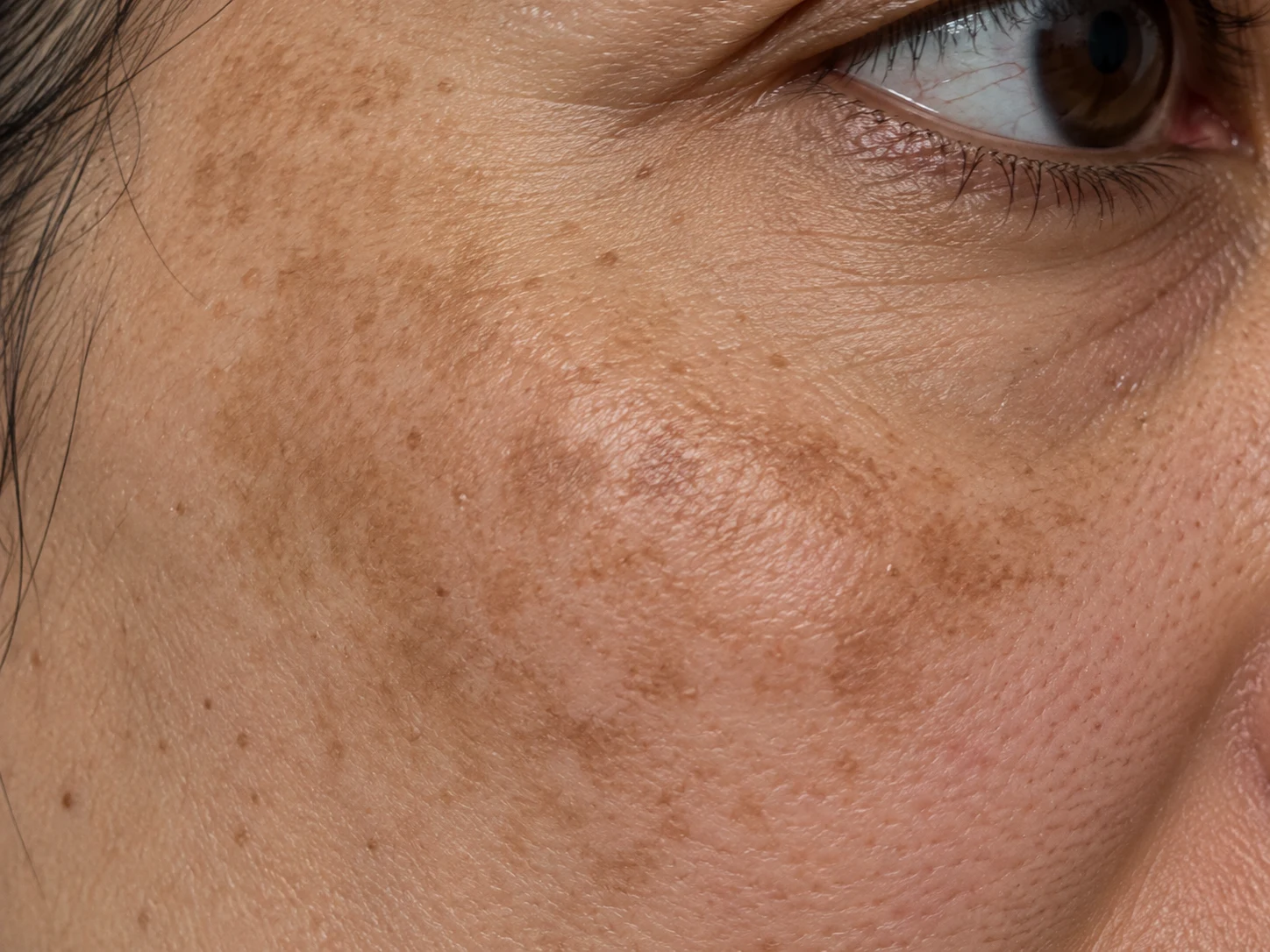
Oral tranexamic acid is sometimes used by specialists for resistant melasma, but it is not a routine treatment for post acne marks because of its potential risks, including blood clots.
For most patients with acne related pigmentation, topical treatment is the more appropriate starting point.
Newer skincare ingredients for dark acne marks
There are now numerous cosmetic products marketed for pigmentation, and choosing between them can be confusing.
Some contain ingredients with encouraging clinical evidence, although not all are as well studied as established prescription treatments.
Thiamidol: Eucerin Anti-Pigment
Thiamidol is a patented ingredient used in Eucerin's Anti-Pigment range.
It works by inhibiting tyrosinase, an enzyme involved in melanin production.
Studies suggest that it can improve uneven pigmentation, including certain forms of facial hyperpigmentation.
It may be useful for patients with mild pigmentation or as part of a maintenance routine after prescription treatment.
Melasyl: La Roche-Posay Mela B3
Melasyl is a newer patented ingredient developed by L'Oréal and used in products including La Roche-Posay Mela B3.
It works by interacting with substances involved in melanin formation, helping reduce excess pigmentation.
Early research is promising, although independent evidence specifically for acne related PIH remains more limited.
Cysteamine
Cysteamine is another ingredient used to treat pigmentation.
It has shown benefit in studies of melasma and other hyperpigmentation disorders.
Some formulations are used as short contact treatments, applied for a period before being washed off.
It can cause irritation and has a characteristic smell, so it may not suit everyone.
Other useful ingredients
Niacinamide: Helps reduce the transfer of pigment within the skin and supports the skin barrier. It is generally well tolerated and combines well with many acne treatments.
Vitamin C: An antioxidant that may help brighten uneven skin tone and reduce oxidative stress. Effectiveness depends on the formulation and stability.
Alpha arbutin: Helps inhibit pigment production and is commonly found in cosmetic brightening serums.
Kojic acid: Another pigment reducing ingredient, although it can cause irritation or contact allergy in some people.
Liquorice extract: Contains compounds that may help reduce pigment production and inflammation.
These ingredients can be useful additions to a routine, but it is rarely necessary to use all of them.
A simple, consistent regimen is usually preferable to layering numerous active serums, particularly when the skin is already sensitive from acne treatment.
What is the best sunscreen for acne marks?
Sun protection is one of the most important parts of treating post inflammatory hyperpigmentation.
Ultraviolet radiation stimulates melanin production and can cause existing marks to become darker or persist for longer.
I generally recommend a broad spectrum SPF 50+ sunscreen with strong UVA protection every morning.
For patients with acne prone skin, choosing a lightweight, non comedogenic formulation can make regular use easier.
Why tinted sunscreen may be better for pigmentation
Research has shown that visible light, particularly blue violet light, can also contribute to pigmentation, especially in medium and darker skin tones.
Many conventional sunscreens protect well against ultraviolet radiation but offer limited protection against visible light.
Tinted sunscreens containing iron oxides provide additional visible light protection.
For patients with persistent acne related pigmentation, particularly those with darker skin types, a tinted SPF 50+ containing iron oxides can therefore be a particularly good choice.
Iron oxides may appear in the ingredient list as CI 77491, CI 77492 or CI 77499.
Reapply sunscreen during prolonged outdoor exposure, and remember that sun protection remains important even after the pigmentation has improved.
A simple skincare routine for acne marks
One of the most common mistakes is trying to treat pigmentation with too many products at once.
A straightforward routine is often more effective and easier to maintain.
Morning
Cleanse with a gentle, non stripping cleanser.
Apply a suitable pigmentation treatment, such as azelaic acid or a niacinamide containing serum, if part of your regimen.
Use a lightweight moisturiser if needed.
Finish with broad spectrum SPF 50+, ideally tinted with iron oxides if pigmentation is a significant concern.
Evening
Gently cleanse the skin.
Apply your prescribed acne or pigmentation treatment, such as tretinoin, adapalene or another individually selected formulation.
Follow with a suitable moisturiser.
Prescription treatments should be used according to the instructions provided by your clinician. Not every active ingredient needs to be used daily, and some combinations are better separated or introduced gradually.
What should you avoid if you have post acne pigmentation?
The main aim is to avoid causing further inflammation while existing marks fade.
Try to avoid picking or squeezing acne spots, harsh scrubs, excessive exfoliation and repeatedly changing between strong skincare products.
Be particularly cautious with high strength acids or products that cause prolonged burning, peeling or redness.
More irritation does not mean that a treatment is working better.
In fact, irritation can worsen pigmentation, especially in people with darker skin tones.
When should you see a dermatologist about acne marks?
A dermatology consultation may be helpful if your acne marks are persistent, if you are continuing to develop new spots or if you are unsure whether the changes represent pigmentation or true scarring.
It is particularly useful to seek advice if over the counter skincare has not helped or if stronger products are causing irritation.
A dermatologist can assess the type of pigmentation, treat any ongoing acne and recommend appropriate prescription or cosmetic treatments.
For some patients, a retinoid or azelaic acid may be sufficient. Others may benefit from a carefully supervised course of hydroquinone or a personalised prescription formulation.
The most effective approach is usually to treat the acne, protect the skin from further pigmentation and introduce suitable active ingredients gradually.
Although post inflammatory hyperpigmentation can take time to fade, significant improvement is often possible with consistent treatment and sun protection.
For information about specialist assessment and care, explore Pigmentation & Melasma.