Adult Acne: Why It Happens and How It Can Be Treated
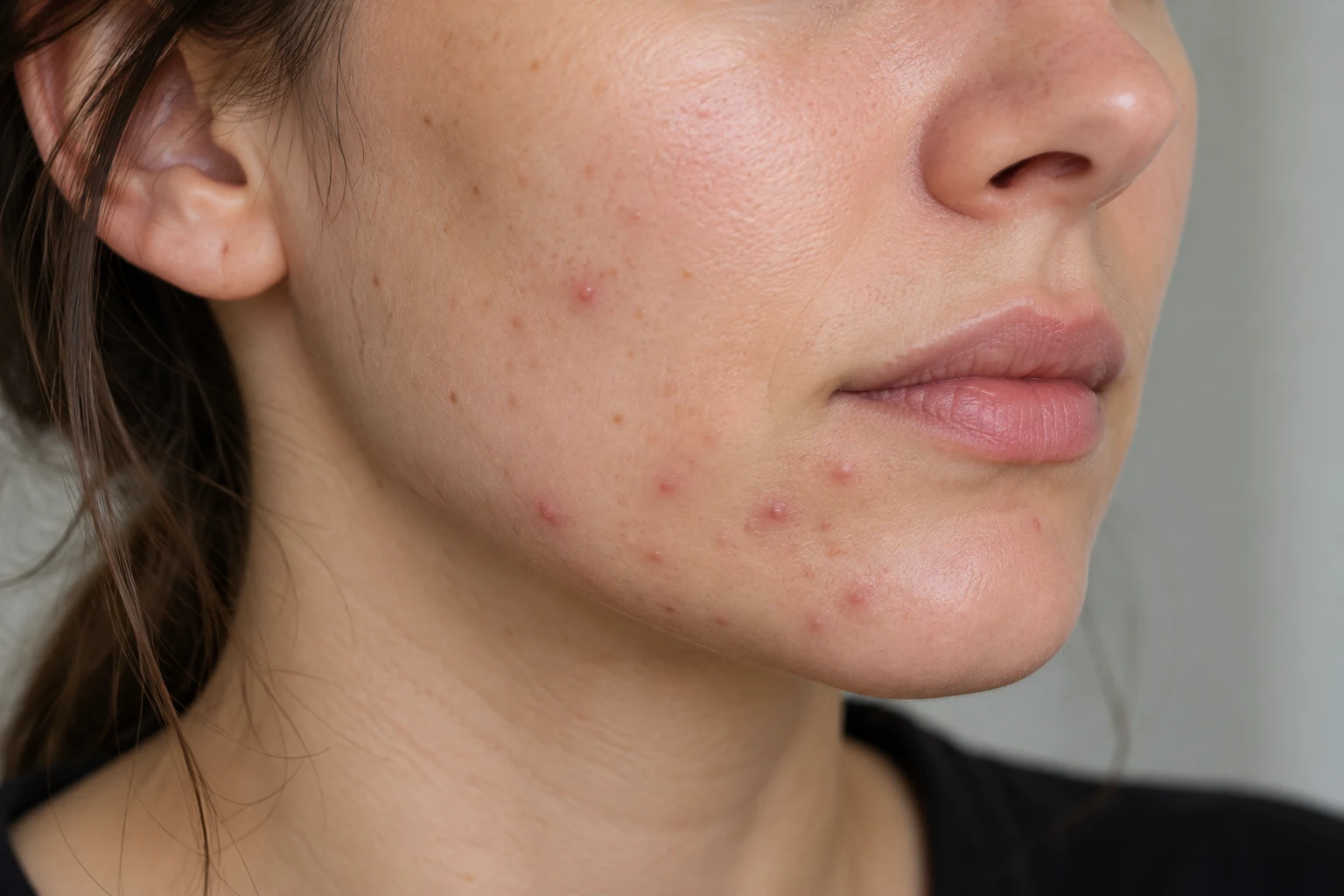
Acne isn't just a teenage problem. Many people continue to experience breakouts well into their 20s, 30s, 40s and beyond, while others develop acne for the first time in adulthood.
Even mild acne can be frustrating, particularly when spots are persistent, recur in the same areas or leave marks on the skin. Fortunately, there are effective treatments for almost every type and severity of acne, from prescription creams to oral medications such as spironolactone and isotretinoin (Roaccutane).
What does adult acne look like?
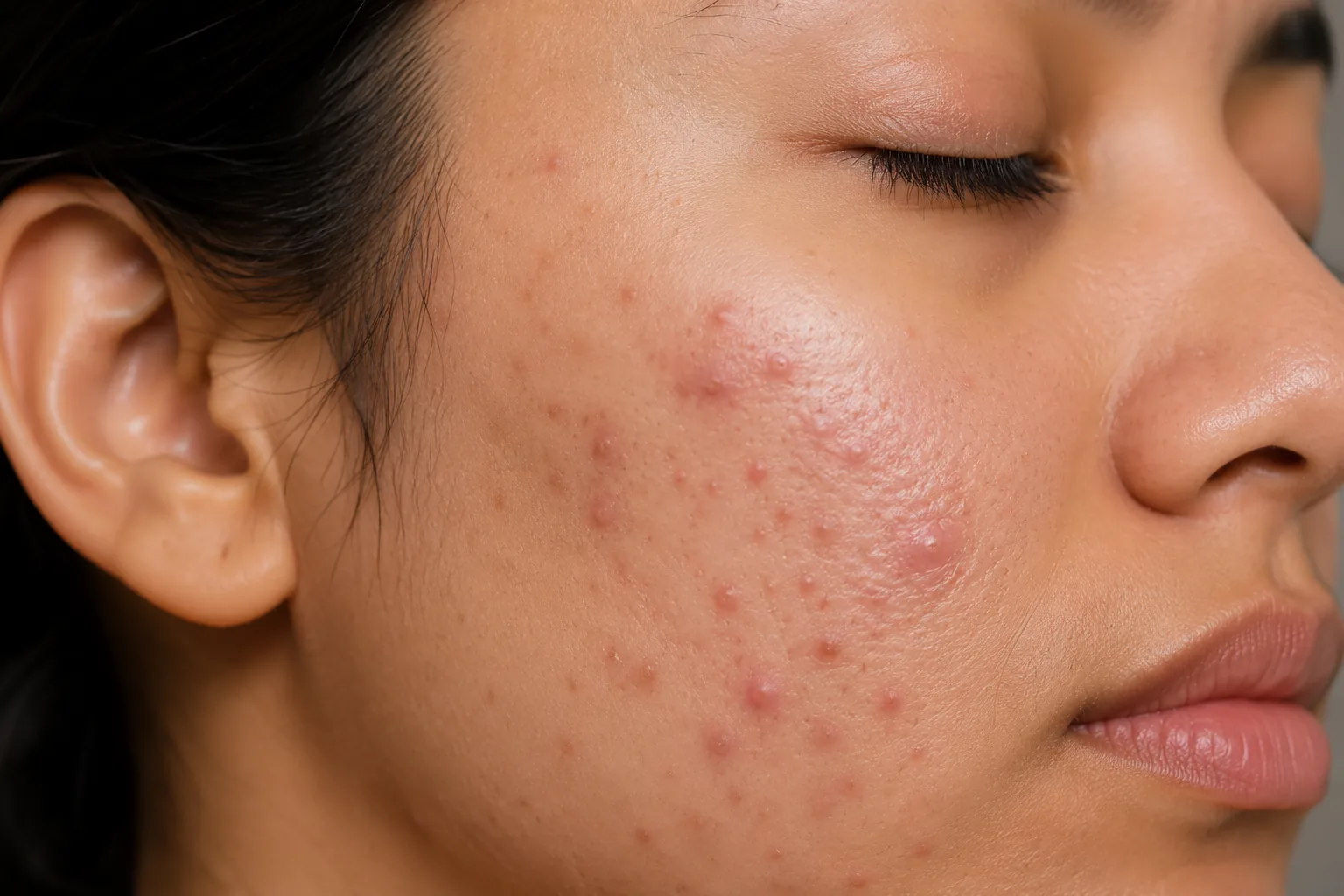
Acne can appear in several different forms, often with more than one type of spot present.
Blackheads and whiteheads (comedones): Blocked pores caused by a build-up of oil and dead skin cells.
Papules and pustules: Red, inflamed spots, sometimes with a visible white or yellow centre.
Nodules and cysts: Deeper, often painful lumps beneath the skin, which carry a greater risk of scarring.
Some people develop acne predominantly around the chin and jawline, while others experience breakouts on the forehead, cheeks, chest or back. The location alone does not necessarily indicate the underlying cause.
Why does acne persist into adulthood?
Acne develops through a combination of excess oil production, blocked pores, inflammation and the activity of a bacterium called Cutibacterium acnes.
Hormones play an important role, particularly in women. Some notice flare-ups around their menstrual cycle, during periods of hormonal change or after stopping contraception.
However, not all adult acne is hormonal, and most women with acne have normal circulating androgen levels. Genetics, certain medications and skincare products can also contribute.
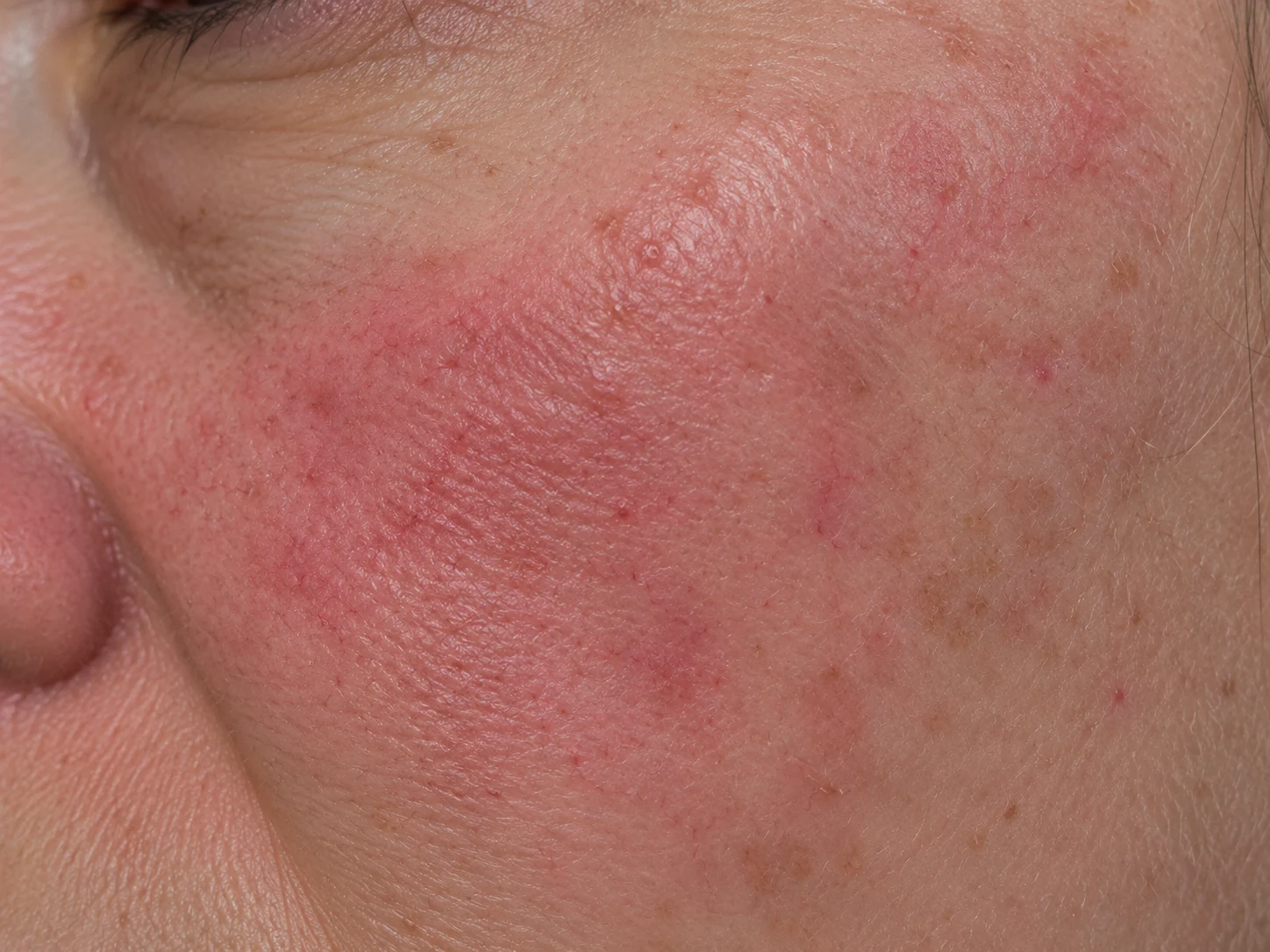
Rosacea can also cause inflammatory facial spots, but flushing and persistent redness are more typical than blackheads. Read about rosacea symptoms and treatment options and how they differ from acne.
Prescription creams for acne
Topical treatments are often the first step in managing mild to moderate acne and can also be combined with oral medication. Different ingredients target blocked pores, inflammation, bacteria and the effects of hormones on the skin.
Tretinoin and other topical retinoids
Tretinoin is a prescription vitamin A derivative that helps prevent blocked pores and treats both blackheads and inflammatory spots. It also has benefits for skin texture, fine lines and pigmentation, making it particularly useful for adults with several skin concerns.
Other retinoids include adapalene and trifarotene (Aklief), a newer treatment that can be used for acne on the face, chest and back. Trifarotene is particularly useful for truncal acne, and emerging research suggests it may also help improve some early atrophic acne scarring.
Topical antiandrogens: clascoterone and spironolactone
Androgen hormones stimulate the skin's oil glands and can contribute to acne, particularly in adult women.
Clascoterone (Winlevi) is a newer prescription cream that blocks androgen receptors directly in the skin, helping to reduce the effects of androgens on oil production and acne.
Topical spironolactone is another antiandrogen treatment sometimes used in individually compounded prescription formulations, although evidence for its effectiveness is more limited than for established licensed treatments.
Benzoyl peroxide and topical antibiotics
Benzoyl peroxide helps reduce acne-causing bacteria and inflammation. Topical antibiotics, such as clindamycin, can also improve inflammatory spots but should be used for limited periods and combined with benzoyl peroxide to reduce antibiotic resistance.
Azelaic acid and personalised formulations
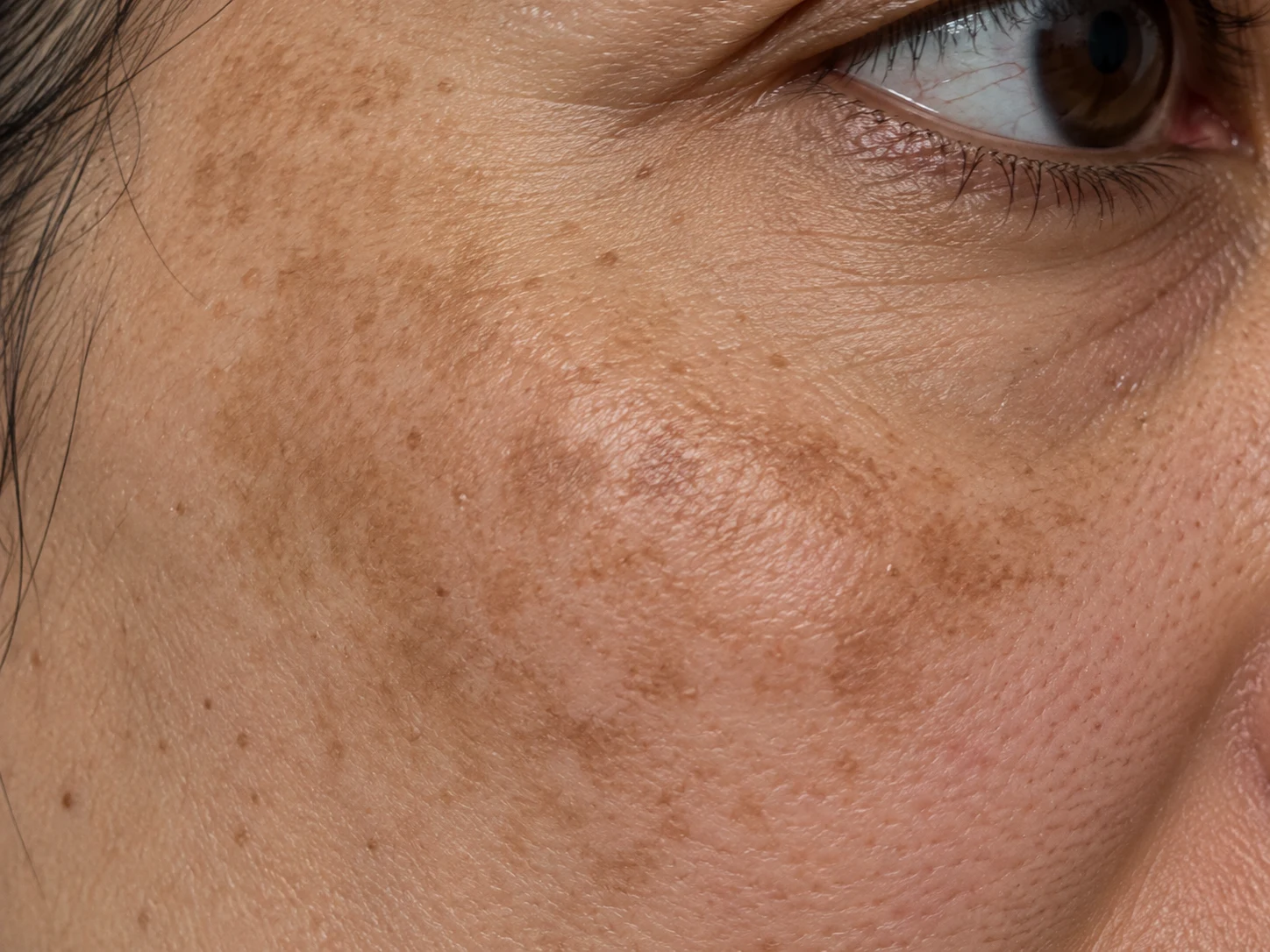
Azelaic acid can improve acne and the dark marks left behind after spots heal.
For some patients, individually compounded prescription creams can combine compatible ingredients to address acne alongside pigmentation, skin texture or signs of ageing.
The aim is to find a treatment that is effective, well tolerated and appropriate for the individual's skin.
Oral treatments for adult acne
When topical treatments are insufficient, or acne is more persistent, widespread or at risk of scarring, oral medication may be appropriate.
Oral antibiotics
Antibiotics such as lymecycline or doxycycline can be effective for inflammatory acne. They are generally prescribed for a limited course alongside topical treatment rather than used as a long-term solution.
Spironolactone for hormonal acne
Spironolactone is increasingly used to treat acne in adult women, particularly where breakouts are persistent or have a hormonal pattern.
It works by reducing the effects of androgen hormones on the skin's oil glands. It can be effective even when hormone blood tests are normal.
Spironolactone is used off-label for acne in the UK and is not suitable during pregnancy. A dermatologist can assess whether it is appropriate, including any relevant blood tests and monitoring.
Improvements are usually gradual, often becoming more noticeable after several months.
Isotretinoin (Roaccutane) for acne
Isotretinoin, historically widely known by the brand name Roaccutane, is one of the most effective treatments for severe or persistent acne.
It works by reducing oil production, preventing blocked pores and decreasing inflammation.
Although traditionally associated with severe cystic acne, isotretinoin may also be considered for persistent acne that has not responded to appropriate standard treatments, particularly where there is scarring or significant psychological impact.
Treatment is individualised according to factors such as acne severity, side effects and clinical response. Different dosing approaches may be considered, including lower daily doses in selected patients, although these may require a longer treatment course.
Isotretinoin requires specialist assessment, appropriate monitoring and strict pregnancy prevention precautions for patients who could become pregnant.
Starting Isotretinoin (Roaccutane): What to Expect
Isotretinoin is prescribed by an appropriately qualified specialist following assessment. It may be considered for severe acne, acne at risk of permanent scarring, or persistent acne that has not responded to appropriate standard treatments. An assessment does not guarantee a prescription: suitability depends on your clinical history, previous treatments and individual risks.
Treatment commonly lasts around 4 to 6 months, although duration varies according to dose and response. Lower dose treatment may be considered for selected patients after an individual discussion of its benefits, limitations and potentially longer treatment duration.
Before starting isotretinoin, your specialist will explain the monitoring plan, including blood tests and follow up appointments. Pregnancy prevention requirements apply to patients who could become pregnant. Your physical and mental wellbeing and any side effects will be reviewed during treatment.
For those considering private isotretinoin treatment, Dr Emma Horton is a Consultant Dermatologist based in Leeds who provides private dermatology consultations. A consultation allows you to discuss whether isotretinoin, often known as Roaccutane treatment, or another approach is appropriate for your acne.
For more detail, read our guide to starting isotretinoin, monitoring and managing side effects.
Can acne treatment also improve skin ageing and pigmentation?
Many adults want to treat acne without having to use multiple separate skincare products.
Some prescription ingredients, particularly tretinoin and azelaic acid, can offer additional benefits for concerns such as uneven pigmentation, skin texture and signs of skin ageing.
Individually compounded prescription creams may allow compatible ingredients to be combined in a formulation tailored to a patient's skin.
However, stronger formulations are not necessarily better. The aim is to find a treatment that is effective, tolerable and suitable for long-term use.
When should you see a dermatologist for adult acne?
You do not need to have severe acne to seek specialist advice.
A dermatology consultation may be helpful if acne is persistent, keeps recurring, is leaving marks or scars, or if you would like to discuss prescription options such as tretinoin, spironolactone or isotretinoin.
Even relatively mild acne can have a significant impact on confidence and quality of life. With the right treatment, most patients can achieve substantial improvement.
For information about specialist assessment and care, explore consultant dermatologist acne assessment.