Starting Isotretinoin (Roaccutane): A Consultant Dermatologist's Guide
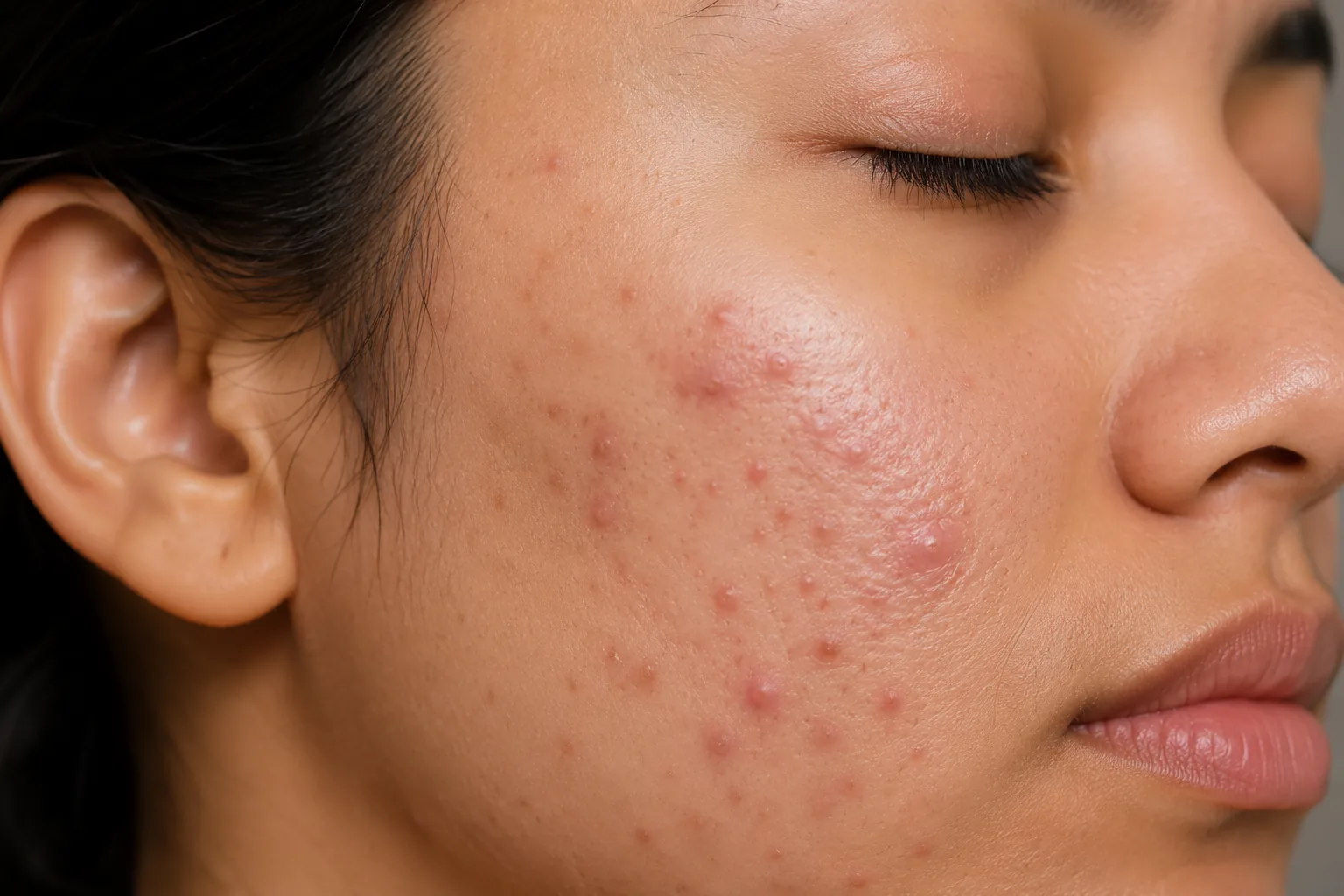
Isotretinoin, often known by its former brand name Roaccutane, is one of the most effective treatments available for acne. For suitable patients, a course of treatment can provide long lasting improvement and help reduce the risk of further acne scarring.
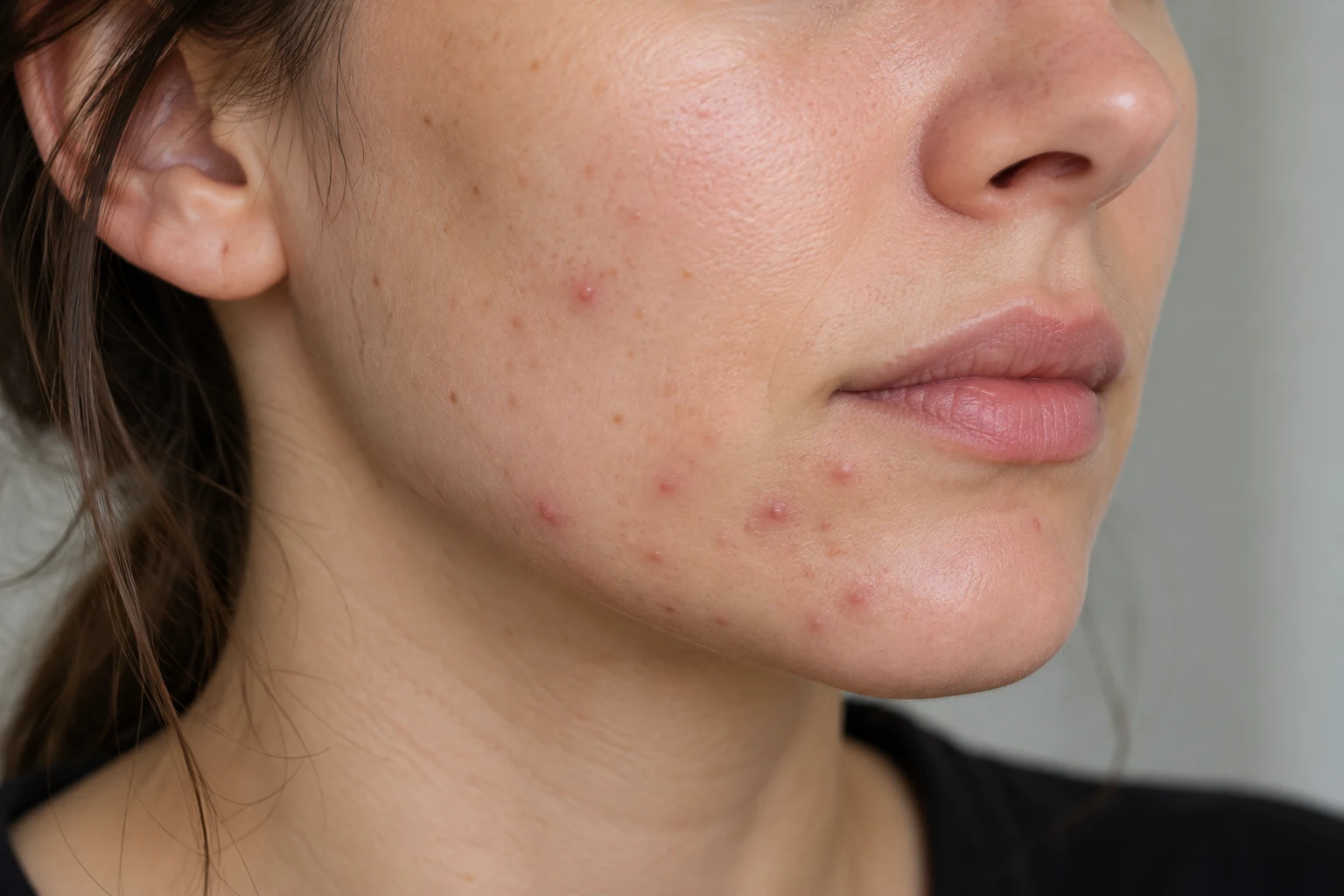
Acne affects people differently. Some experience widespread inflammatory breakouts, while others have fewer spots that repeatedly recur or leave marks on the skin. Even relatively mild acne can be frustrating and affect confidence.
Deciding which treatment is most appropriate involves much more than simply assessing the number of spots. Previous treatments, the risk of scarring, the impact on quality of life and individual preferences are all important considerations.
This guide explains what to expect from isotretinoin treatment, how it can be tailored to the individual and practical ways to manage common side effects.
Is isotretinoin the right treatment for me?
Isotretinoin is generally considered for acne that has not responded adequately to appropriate standard treatments, particularly where there is a risk of scarring.
Treatment decisions are individual, taking into account the type of acne, previous medications, medical history and the patient's circumstances.
For some patients, alternative treatments such as prescription topical preparations, oral antibiotics or hormonal treatments may be more appropriate. A dermatologist can discuss the available options and help determine the most suitable approach.
What happens at your first isotretinoin consultation?
The initial consultation involves assessing your acne, reviewing previous treatments and discussing whether isotretinoin is an appropriate next step.
Your dermatologist will also review your medical history, current medications, mental health and any relevant concerns about sexual function. The potential benefits, risks and alternatives should be discussed so that you can make an informed decision.
Blood tests are usually arranged before starting treatment to assess liver function and blood lipid levels. Further testing may be recommended during treatment depending on individual risk factors, clinical circumstances and the monitoring requirements of the prescribed regimen.
Pregnancy prevention requirements must also be addressed where applicable.
You will be provided with the relevant safety information, including patient information materials and an Acknowledgement of Risk form.
Treatment may not begin on the day of the initial consultation, particularly if blood results or pregnancy prevention arrangements are still required.
How long does isotretinoin treatment take?
A typical course of isotretinoin lasts approximately four to six months, although some patients require longer treatment.
The duration depends on the dose prescribed, how the acne responds and whether side effects require adjustments.
Improvement is gradual. Some patients notice an initial worsening of their acne before it begins to settle, while others improve steadily over the first few months.
The aim is to achieve sustained improvement while keeping treatment as tolerable and safe as possible.
Can isotretinoin be prescribed at a lower dose?
Isotretinoin treatment can be tailored according to factors such as body weight, acne severity, clinical response and side effects.
Although conventional dosing regimens are commonly used, lower daily doses may be considered in selected patients, particularly where tolerability is a concern.
Lower dose treatment can sometimes be better tolerated, although it may require a longer course. It does not remove the need for appropriate monitoring or pregnancy prevention precautions.
The aim is to agree a treatment regimen that balances effectiveness, safety and tolerability for each individual.
Managing dry lips during isotretinoin
Dry lips are one of the most common side effects of isotretinoin and often appear within the first few weeks.
One of the most useful things you can do is start using a good lip balm before your lips become dry, rather than waiting until they are cracked or uncomfortable.
Simple petroleum jelly, such as Vaseline, is an excellent and inexpensive option. Other products that some patients find helpful include La Roche-Posay Cicaplast Lips and Avène Cicalfate+ Lips.
The particular brand matters less than finding a product that you tolerate and will use regularly.
A practical tip is to keep lip balm everywhere: beside your bed, in your handbag, at your desk and in your coat pocket. Having several available makes it much easier to reapply throughout the day.
Apply a generous layer before bed, when lips can become particularly dry overnight.
Avoid licking your lips, picking at peeling skin or using fragranced or strongly flavoured lip products if these cause irritation.
If the corners of your mouth become persistently cracked, painful or inflamed, let your dermatologist know, as additional treatment may sometimes be required.
Looking after your skin during treatment
Isotretinoin reduces oil production, which is one of the reasons it is so effective for acne. However, this also means that skin which was previously oily may become significantly drier and more sensitive.
A simple skincare routine is usually best during treatment.
Morning skincare routine
Use a gentle cleanser, or simply rinse with lukewarm water if your skin feels particularly dry. Follow with a moisturiser and broad spectrum SPF 50.
Evening skincare routine
Cleanse gently and apply a generous layer of moisturiser.
Choose a simple, fragrance free moisturiser containing ingredients such as glycerin, ceramides or other barrier supporting ingredients.
Moisturising twice daily is a good starting point, but there is no reason not to reapply more frequently if your skin feels tight or uncomfortable.
It is also sensible to temporarily stop potentially irritating skincare ingredients, including exfoliating acids, scrubs and topical retinoids such as tretinoin, unless your dermatologist specifically advises otherwise.
During isotretinoin treatment, a simple skincare routine is often the best one.
Dry eyes, nose and other practical side effects
Dryness is not limited to the lips and face.
Dry eyes: Preservative free lubricating eye drops can help. Contact lenses may become less comfortable, and some patients find wearing glasses more frequently useful.
Dry nose: A saline nasal spray or suitable nasal moisturising gel may help with dryness and crusting. Small nosebleeds can occur when the nasal lining becomes particularly dry.
Dry hands and body: Use a gentle body wash and apply moisturiser after showering, particularly during colder weather.
Sun sensitivity: Skin may become more sensitive to sunlight. Daily SPF 50, protective clothing and avoiding excessive sun exposure are important.
Some patients also experience muscle or joint aches, particularly during intensive exercise. If this occurs, reducing strenuous activity and discussing symptoms with your dermatologist may help.
What side effects should I be aware of?
Isotretinoin is generally well tolerated, with dryness of the lips and skin being the most common side effects. Occasionally, changes in liver function or blood lipid levels can occur, although clinically significant abnormalities are uncommon. Blood tests may be recommended as part of treatment monitoring, taking into account individual risk factors and applicable monitoring requirements.
Changes in mood and sexual function have also been reported during isotretinoin treatment. Establishing whether these symptoms are directly caused by the medication can be difficult, and research into this relationship is ongoing. Many patients experience an improvement in their confidence and psychological wellbeing as their acne improves.
As part of routine care, your dermatologist will ask about your mental health and sexual function before and during treatment. It is important to mention any changes or concerns so they can be assessed appropriately. Some reported symptoms have persisted after treatment has stopped.
Serious side effects are uncommon, but significant mood changes, severe headaches with visual disturbance, severe abdominal pain or changes in vision require prompt medical assessment. If you develop serious suspected side effects, stop taking isotretinoin and seek urgent medical advice.
Pregnancy prevention and isotretinoin
Isotretinoin can cause severe harm to an unborn baby and must not be taken during pregnancy.
Patients who could become pregnant must follow the applicable Pregnancy Prevention Programme, including contraception and pregnancy testing requirements unless a recognised exemption applies.
Pregnancy must be avoided during treatment and for at least one month after stopping isotretinoin.
These precautions are essential regardless of whether a standard or lower dose regimen is prescribed.
Blood tests and follow up appointments
Blood tests are usually performed before starting isotretinoin to assess liver function and blood lipid levels. These are generally repeated early in treatment, with further monitoring guided by the results, individual risk factors and clinical circumstances, in accordance with current prescribing guidance.
Follow up appointments allow your dermatologist to assess how your acne is responding, review any side effects and adjust the dose where appropriate.
Mental health and sexual function are also reviewed as part of routine monitoring.
The frequency and format of appointments will depend on individual circumstances and the applicable prescribing and pregnancy prevention requirements. Some follow up appointments may be suitable for remote consultation.
Regular review helps ensure treatment remains effective, safe and well tolerated.
What should I avoid while taking isotretinoin?
Some medications and activities require particular caution.
Vitamin A supplements: Avoid these because isotretinoin is a vitamin A derivative.
Tetracycline antibiotics: Medications such as doxycycline and lymecycline should not be taken alongside isotretinoin.
Waxing and aggressive skin treatments: Skin may be more fragile, so avoid waxing and discuss procedures such as resurfacing lasers, deep chemical peels or dermabrasion with your dermatologist.
Alcohol: Excessive alcohol intake is best avoided because isotretinoin can affect liver function and blood lipid levels.
Blood donation: Do not donate blood during treatment or for one month afterwards.
Always check with your dermatologist before introducing new prescription medications or supplements.
Will my acne come back after isotretinoin?
Many patients experience long lasting improvement after completing isotretinoin, although recurrence is possible.
Some people develop occasional mild spots, while others experience a more significant relapse and may require further treatment.
Maintenance skincare or prescription topical treatments can sometimes help manage acne after the course has finished.
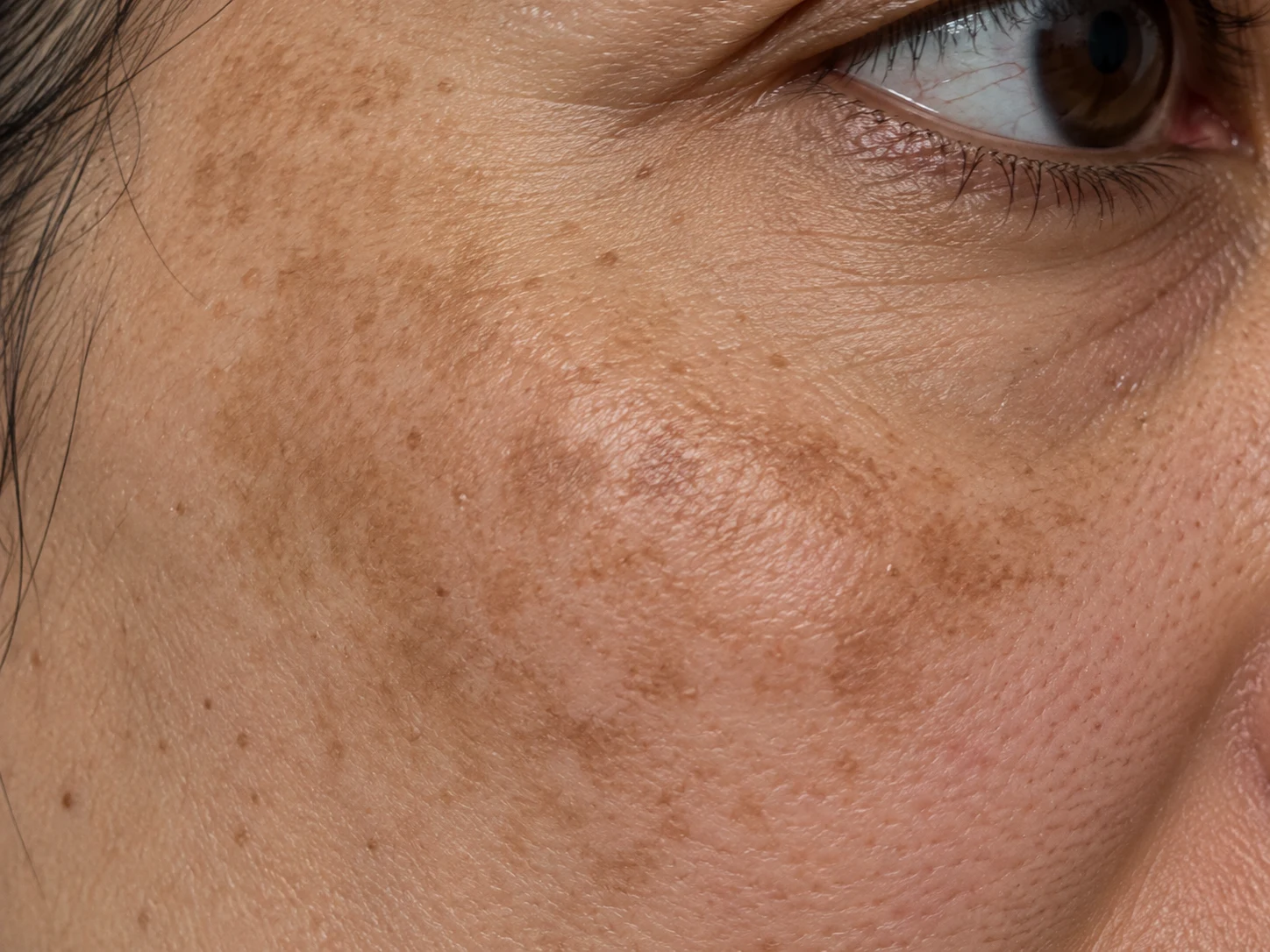
For patients who also have pigmentation, acne marks or concerns about skin ageing, treatment can subsequently be tailored to address these issues once the skin has recovered.
It is important to distinguish between active acne, post inflammatory marks and true acne scars, as each requires a different approach.
Considering isotretinoin? Discussing your treatment options
If you are considering isotretinoin (Roaccutane), a consultation with a dermatologist can help establish whether it is an appropriate treatment for you.
The decision should be based on your individual acne, previous treatments, medical history and preferences, with a clear explanation of the benefits, risks and monitoring involved.
For suitable patients, isotretinoin can be a highly effective treatment. Careful prescribing, realistic expectations and practical support throughout the course are essential to achieving the best possible outcome.
For information about specialist assessment and care, explore Acne.