Rosacea: Understanding Triggers and the Most Effective Treatments
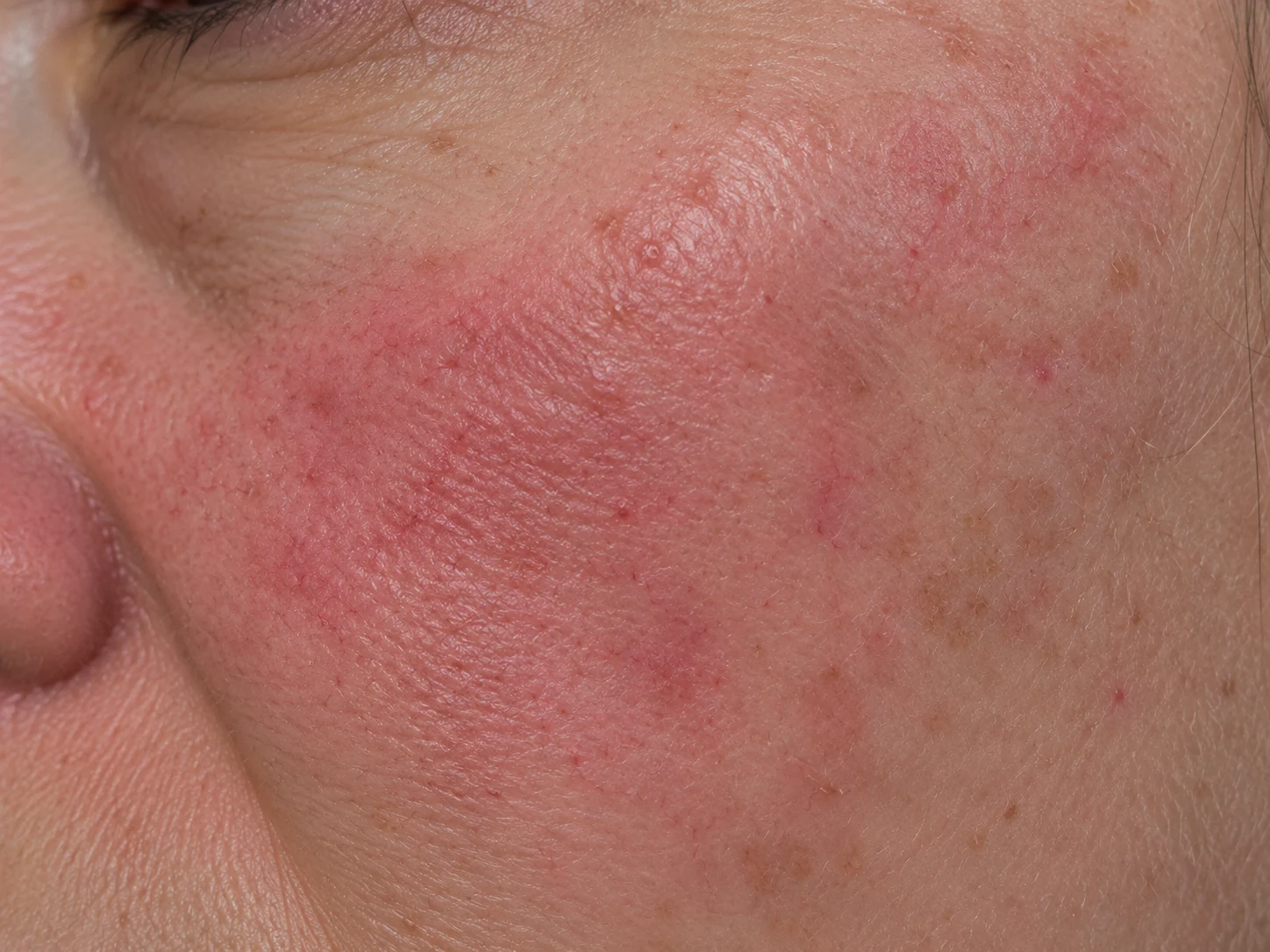
Rosacea is a common, long term inflammatory skin condition that predominantly affects the face. It can cause persistent redness, flushing, sensitivity and sometimes spots that resemble acne.
Although rosacea is often associated with fair skin, it can affect all skin types. Symptoms vary considerably between individuals, and treatment depends on whether the main concern is redness, inflammatory spots, visible blood vessels or skin sensitivity.
There is no permanent cure for rosacea, but with the right combination of prescription treatments, skincare and trigger management, symptoms can often be controlled very effectively.
What are the different types of rosacea?
Rosacea does not look the same in everyone. Some people experience predominantly redness and flushing, while others develop inflammatory spots or significant skin sensitivity.
Common features include:
Persistent facial redness: Usually affecting the cheeks, nose, forehead or chin, sometimes accompanied by visible small blood vessels (telangiectasia).
Flushing: Episodes of increased facial redness and warmth, often triggered by temperature changes, alcohol or exercise.
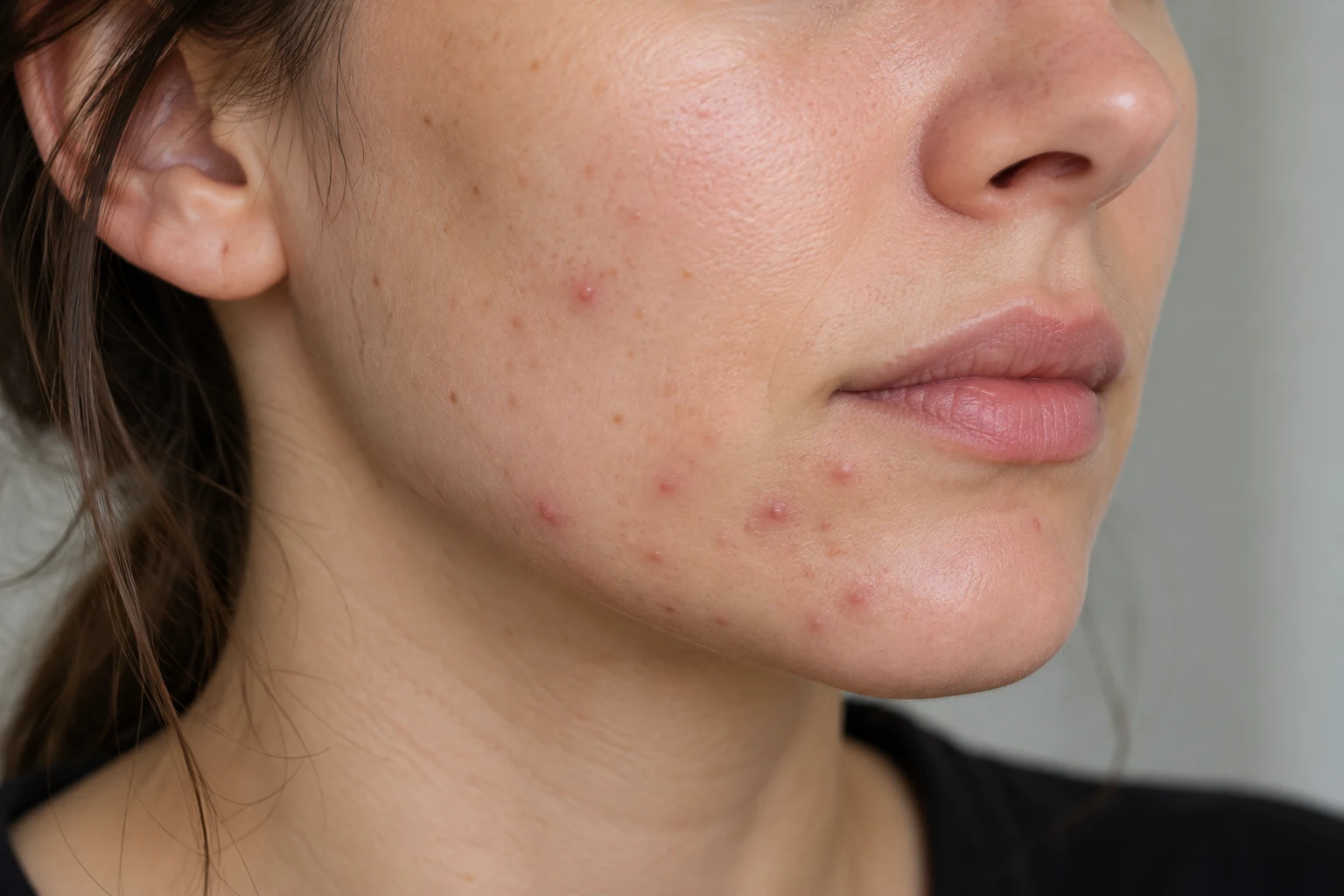
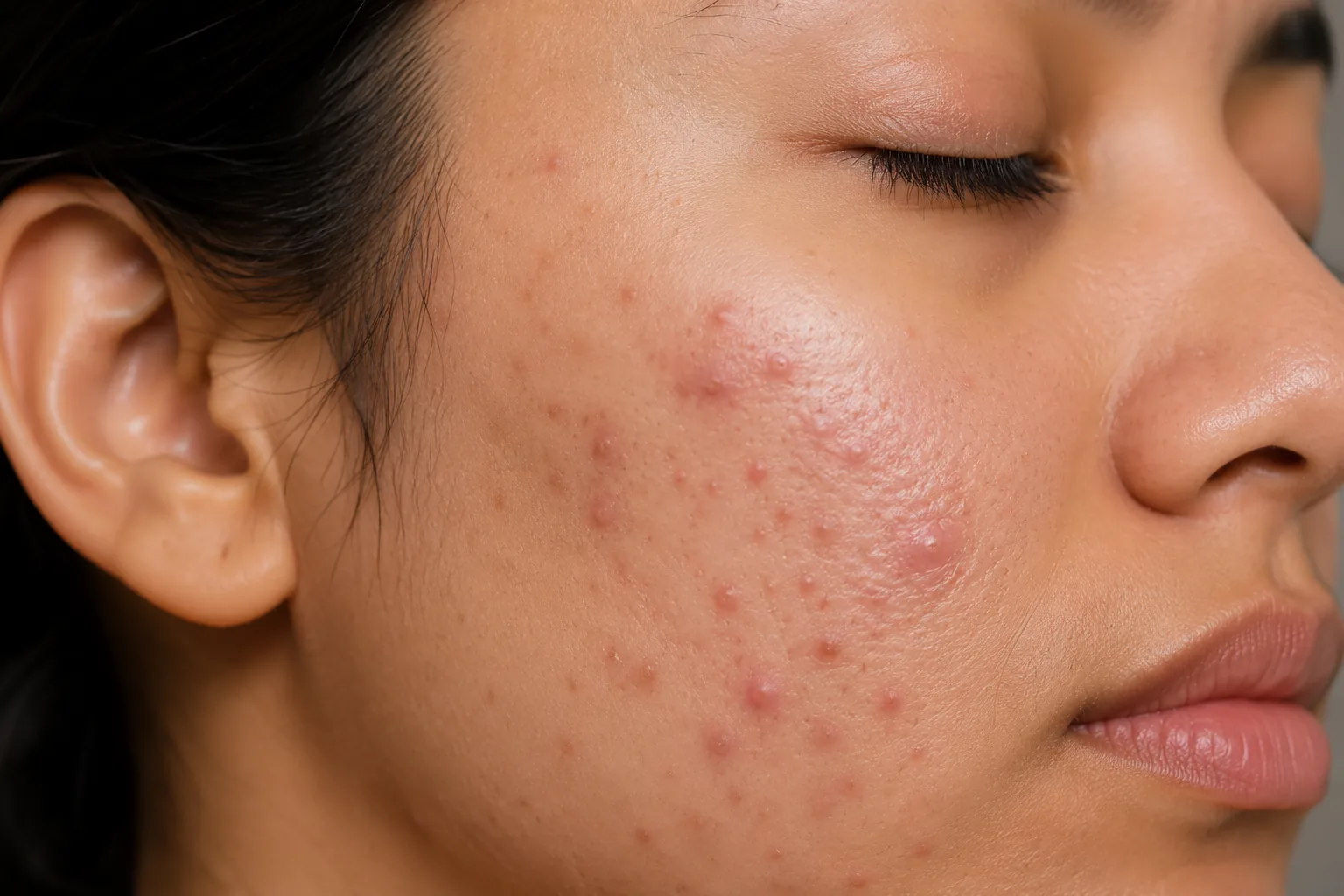
Papules and pustules: Small red bumps and inflammatory spots that can resemble acne, although rosacea typically does not cause blackheads.
Sensitive or reactive skin: Burning, stinging, dryness and intolerance of skincare products.
Ocular rosacea: Irritation of the eyes or eyelids, including dryness, grittiness, redness and recurrent blepharitis.
Less commonly, rosacea can cause thickening of the skin, particularly around the nose, known as rhinophyma.
Many patients have a combination of these features, and treatment is tailored accordingly.
What triggers rosacea?
Rosacea is associated with changes in the skin's inflammatory response, blood vessel reactivity and skin barrier function. The exact cause is not fully understood, and it is not simply a result of poor skincare or sensitive skin.
Certain factors can aggravate symptoms, although triggers vary between individuals.
Common triggers include:
Sun exposure and ultraviolet light
Hot weather, cold weather and sudden temperature changes
Alcohol, particularly red wine in some individuals
Hot drinks and spicy foods
Exercise and overheating
Emotional stress
Harsh skincare products, exfoliating acids and fragranced products
Not everyone reacts to the same triggers, and there is usually no need to avoid entire food groups unless a clear relationship has been identified.
A simple diary can sometimes help identify patterns, particularly in patients who experience frequent flushing.
Prescription creams for rosacea
Topical treatments are often the first choice for mild to moderate rosacea, particularly when inflammatory spots are present.
The most appropriate treatment depends on the symptoms and how sensitive the skin is.
Ivermectin (Soolantra) cream for rosacea
Ivermectin 1% cream, commonly known by the brand name Soolantra, is an effective treatment for the inflammatory papules and pustules associated with rosacea.
It has anti inflammatory properties and also acts against Demodex mites, which are naturally present on human skin but may contribute to inflammation in some people with rosacea.
Ivermectin is generally applied once daily. Improvement is gradual, often becoming noticeable over several weeks, with further benefit over a few months.
It is particularly useful for patients with persistent inflammatory spots rather than redness alone.
Azelaic acid for rosacea
Azelaic acid is another well established treatment for inflammatory rosacea.
It helps reduce inflammation and can improve papules, pustules and some associated redness. It may also help with pigmentation and acne, making it useful for patients who have overlapping skin concerns.
Prescription formulations are available in different strengths and preparations.
Some patients experience temporary stinging or irritation when starting treatment, so introducing it gradually may improve tolerability.
Metronidazole and other topical antibiotics
Metronidazole is a commonly prescribed topical treatment for rosacea. It helps reduce inflammatory lesions and is generally well tolerated.
Other topical antibiotics may occasionally be used in selected circumstances, although they are not always the preferred long term option.
Unlike acne, where blocked pores are an important feature, rosacea is primarily an inflammatory condition, so treatment focuses on controlling inflammation rather than simply reducing bacteria.
Personalised prescription formulations
Some patients have rosacea alongside acne, pigmentation or concerns about skin ageing.
Individually compounded prescription creams can sometimes combine compatible active ingredients or adjust their concentrations to address more than one concern.
However, rosacea prone skin is often particularly sensitive, and stronger formulations are not necessarily better. A simple, well tolerated routine is frequently more effective than using several active ingredients simultaneously.
Oral treatments for rosacea
When rosacea is more inflammatory, widespread or insufficiently controlled with topical treatment, oral medication may be appropriate.
Low dose doxycycline (Efracea) for rosacea
Doxycycline is commonly used for inflammatory rosacea, but an important distinction is that it can be prescribed at different doses for different purposes.
Low dose doxycycline, including modified release 40 mg preparations such as Efracea, is specifically designed to provide an anti inflammatory effect at a dose below that generally used to treat bacterial infections.
This can be particularly helpful for patients with recurrent papules and pustules who need longer term control of inflammatory rosacea.
It does not directly treat visible blood vessels or persistent background redness.
Higher dose doxycycline and other antibiotics
In more inflammatory cases, standard antibiotic doses of doxycycline, such as 100 mg daily, may be prescribed for a limited period.
Other oral antibiotics may occasionally be considered depending on the clinical presentation and individual circumstances.
Once inflammation has improved, treatment can often be stepped down to a topical maintenance regimen or, where appropriate, lower dose anti inflammatory treatment.
Isotretinoin for difficult to control rosacea
In selected patients with severe or treatment resistant inflammatory rosacea, low dose oral isotretinoin may be considered by a dermatologist.
This is an off label treatment for rosacea and requires specialist assessment and monitoring, including strict pregnancy prevention precautions where applicable.
It is not routinely required for most patients.
Treating facial redness and visible blood vessels
One of the most important distinctions in rosacea treatment is that creams used for inflammatory spots do not necessarily improve persistent facial redness or visible blood vessels.
For patients whose main concern is redness rather than spots, different treatments may be more appropriate.
Brimonidine gel
Brimonidine gel (Mirvaso) temporarily constricts superficial blood vessels and can reduce persistent facial redness for several hours.
It does not permanently treat rosacea, and some patients experience rebound redness or worsening flushing, so it needs to be used carefully.
Laser and light treatments
Vascular lasers and intense pulsed light (IPL) can be effective for persistent redness and visible facial blood vessels.
These treatments target blood vessels rather than the inflammatory spots themselves and may require several sessions.
The choice of device depends on skin type, the extent of redness and whether there are prominent individual blood vessels.
Skincare and SPF for rosacea
Rosacea prone skin often has an impaired skin barrier, making it more susceptible to irritation.
A consistent, gentle skincare routine is therefore an important part of treatment.
Cleansing: Choose a mild, fragrance free cleanser and avoid harsh scrubs, cleansing brushes and excessive exfoliation.
Moisturising: A simple moisturiser containing ingredients such as glycerin, ceramides or other barrier supporting ingredients can help reduce dryness and sensitivity.
Sun protection: Daily broad spectrum SPF 50 is particularly important because ultraviolet exposure is a common trigger for rosacea. Mineral sunscreens containing zinc oxide or titanium dioxide may be better tolerated by some patients, although many modern chemical sunscreens are also suitable.
Green tinted products: Green tinted moisturisers, primers and colour correcting sunscreens can help neutralise the appearance of redness. These can be particularly useful while waiting for prescription treatments to take effect.
For patients with very sensitive skin, introducing new products one at a time can help identify which formulations are tolerated.
Can rosacea be confused with acne?
Rosacea and acne can look similar, particularly when red spots and pustules are present.
However, acne commonly causes blackheads and whiteheads, whereas rosacea is more often associated with flushing, persistent redness and skin sensitivity.
Some patients have both conditions, which can make treatment more complicated.
This distinction matters because certain acne treatments, particularly stronger retinoids and exfoliating products, may irritate rosacea prone skin if introduced too aggressively.
Read more about adult acne and prescription treatment options.
When should you see a dermatologist for rosacea?
A dermatology assessment may be helpful if facial redness is persistent, inflammatory spots keep recurring, your skin reacts to multiple products or over the counter treatments have not helped.
It is also worth seeking advice if you are unsure whether you have rosacea, acne, perioral dermatitis or another inflammatory skin condition, as these can sometimes look similar but require different treatments.
Eye pain, light sensitivity or changes in vision require prompt medical assessment because ocular rosacea can occasionally affect the cornea.
Rosacea often fluctuates over time, and successful treatment may involve an initial course to settle inflammation followed by a simpler maintenance routine.
The aim is not necessarily to eliminate every episode of flushing, but to achieve comfortable skin, reduce inflammation and keep symptoms under control over the long term.
For information about specialist assessment and care, explore Rosacea.